
asbestos Exposure: Hidden Risks Every Homeowner Should Know

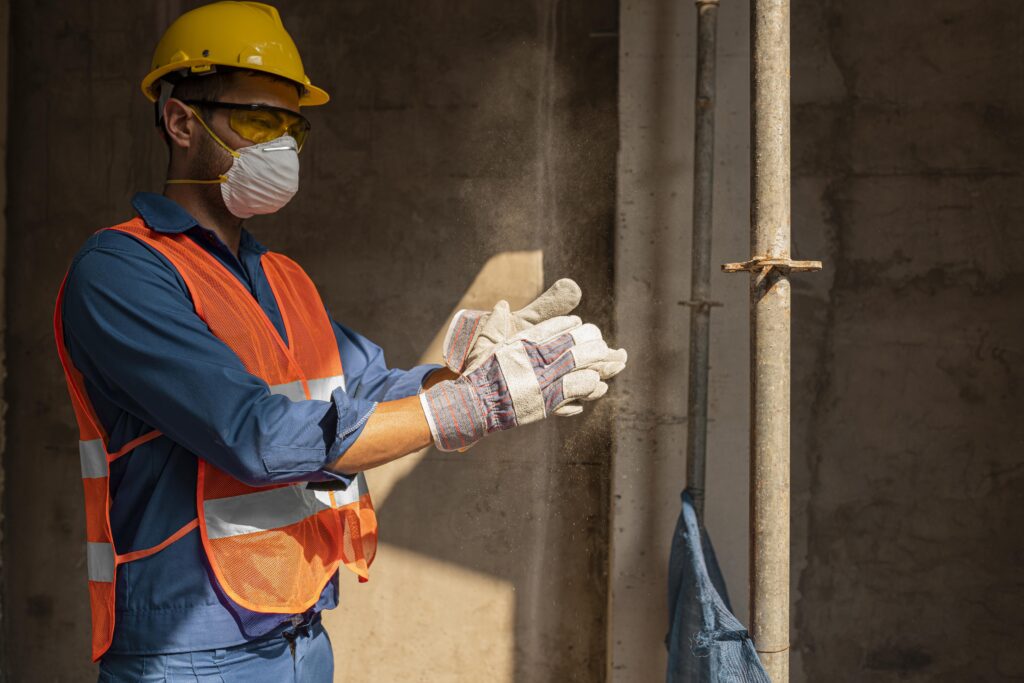
Asbestos is a naturally occurring mineral once heavily used in construction because of its heat resistance, strength, and insulation properties.
For decades, builders included asbestos in roofing, flooring, ceiling tiles, cement, and pipe insulation. Many older homes and commercial buildings still contain asbestos materials hidden behind walls and under floors. The real danger begins when these materials become damaged and release microscopic fibers into the air.
Today, asbestos exposure remains a serious health concern for homeowners, construction workers, and property renovators across the world.
Understanding the Mineral and Its Properties
The popularity of asbestos came from its unique physical characteristics that made it useful in industrial and residential construction. It could resist fire, chemicals, electricity, and extreme temperatures better than many other materials available at the time. Manufacturers mixed asbestos fibers into cement products, insulation boards, automotive parts, and even household appliances. Because the fibers are incredibly small and durable, they can remain suspended in the air for long periods after disturbance. This invisible nature is exactly why asbestos became one of the most dangerous building materials ever used.
Why Asbestos Was Widely Used in Construction
Construction companies relied heavily on asbestos during the twentieth century because it was affordable, durable, and easy to apply in multiple products.
Builders believed asbestos improved safety by reducing fire risks in homes, schools, and factories. It became common in roofing shingles, wall panels, vinyl flooring, textured paints, and heating systems. At that time, the long-term health effects were not fully understood, so asbestos use spread rapidly worldwide.
Even though many countries now regulate or ban asbestos products, millions of older properties still contain these hazardous materials today.
Common Places Where Asbestos Is Found
Asbestos can still be present in many buildings constructed before the 1990s, especially older residential homes and industrial structures. Most homeowners never realize asbestos may be hiding inside insulation, ceilings, floor tiles, or cement sheets. The danger increases during renovation, demolition, drilling, or sanding because these activities disturb asbestos-containing materials. Tiny airborne fibers can then spread through ventilation systems and indoor air spaces. Understanding where asbestos is commonly found helps property owners reduce unnecessary exposure and protect their families from serious health risks.
Asbestos in Old Homes and Buildings
Older homes often contain asbestos in attic insulation, roofing materials, pipe coverings, popcorn ceilings, and vinyl floor tiles.
Schools, hospitals, warehouses, and office buildings built decades ago may also contain asbestos insulation around boilers and heating systems. In many cases, asbestos materials remain untouched for years without causing immediate danger. Problems usually start when aging materials crack, break, or deteriorate over time.
Homeowners planning remodeling projects should always inspect older structures carefully before starting any construction work.
Hidden Household Materials That May Contain Asbestos
Many everyday materials once included asbestos without homeowners even knowing about it.
Adhesives, textured paints, drywall compounds, electrical panels, and furnace insulation frequently contained asbestos fibers. Some old kitchen appliances and heat-resistant products were also manufactured using asbestos-based components. Since these products often look completely normal, visual inspection alone may not confirm contamination.
Professional asbestos testing is usually the safest way to identify hidden asbestos-containing materials inside a property.
Health Risks Linked to Asbestos Exposure
Asbestos exposure can lead to severe and life-threatening diseases that may take decades to develop after initial contact.
When asbestos fibers are inhaled, they can become trapped inside the lungs and surrounding tissues. Over time, these microscopic fibers cause inflammation, scarring, and permanent respiratory damage. Many victims do not notice symptoms until serious illness has already progressed significantly.
This delayed effect makes asbestos one of the most dangerous environmental hazards still affecting people today.
How Asbestos Fibers Affect the Human Body
Once asbestos fibers enter the body through breathing, the immune system struggles to remove them completely. The fibers can irritate lung tissue continuously, causing inflammation and long-term internal damage. Unlike normal dust particles, asbestos fibers are highly resistant and remain inside the lungs for many years. Gradually, scar tissue develops, making breathing more difficult over time. Even limited exposure in certain situations may increase the risk of severe respiratory diseases later in life.
Diseases Caused by Long-Term Exposure
Long-term exposure to asbestos has been strongly connected to several deadly illnesses affecting the lungs and chest cavity.
Workers in construction, shipbuilding, mining, and manufacturing industries historically faced the highest exposure risks. Family members were sometimes exposed indirectly through contaminated clothing brought home from workplaces. Medical experts continue to warn that no level of Asbestlint exposure is considered completely safe.
Early detection and prevention remain critical for reducing health complications associated with asbestos-related diseases.
Mesothelioma and Lung Cancer
Mesothelioma is a rare but aggressive cancer caused almost exclusively by asbestos exposure.
This disease affects the lining around the lungs, heart, or abdomen and often develops decades after contact with asbestos fibers. Lung cancer linked to asbestos exposure is also a major concern, especially among smokers exposed to contaminated environments.
Symptoms may include chest pain, chronic coughing, breathing difficulties, and unexplained weight loss. Unfortunately, many Asbestlint-related cancers are diagnosed at advanced stages, making treatment more difficult.
Asbestosis and Respiratory Problems
Asbestosis is a chronic lung disease caused by long-term inhalation of asbestos fibers that leads to permanent scarring in lung tissue.
People with asbestosis often experience shortness of breath, persistent coughing, chest tightness, and fatigue during physical activity. As the disease progresses, normal breathing becomes increasingly difficult because the lungs lose flexibility.
Severe cases may eventually result in heart complications or respiratory failure. Avoiding exposure remains the best protection against asbestos-related respiratory conditions.
Warning Signs of Asbestos in Your Property
Identifying asbestos inside a property can be difficult because asbestos materials usually resemble ordinary construction products. Many homeowners only discover asbestos during renovations, repairs, or property inspections. Cracked insulation, aging ceiling tiles, damaged roofing sheets, and deteriorating pipe coverings can sometimes indicate possible Asbestlint contamination. Since disturbing these materials may release dangerous fibers into the air, handling them without professional guidance can be risky. Learning the warning signs early helps reduce unnecessary exposure and costly contamination problems.
Visual Clues Homeowners Should Never Ignore
Certain visual signs may suggest the presence of asbestos-containing materials in older homes and commercial buildings.
Brittle insulation, crumbling ceiling textures, worn floor tiles, and damaged cement sheets are common indicators worth investigating. Water damage and aging can weaken asbestos materials, increasing the chance of fiber release into indoor air.
Homeowners should never cut, drill, or remove suspicious materials without proper testing. Even small disturbances can spread hazardous fibers throughout the property.
When to Call an Asbestos Inspector
Professional asbestos inspectors should be contacted before major renovations or demolition projects in older buildings.
Licensed experts collect material samples safely and send them to certified laboratories for accurate analysis. An inspection helps determine whether asbestos is present and whether removal or containment is necessary.
Property buyers also benefit from asbestos inspections before purchasing older homes. Early professional assessment can prevent serious health risks and expensive legal complications later.
Asbestos Testing and Inspection Process
Asbestos testing plays a critical role in identifying hidden hazards inside residential and commercial properties.
The process usually involves collecting samples from suspected materials such as insulation, flooring, roofing, or ceiling textures. Laboratories then analyze these samples using specialized equipment to confirm the presence of Asbestlint fibers.
Accurate testing allows homeowners to make informed decisions about repairs, renovations, or professional removal services. Reliable inspection is one of the most important steps in preventing accidental asbestos exposure.
Professional Testing vs DIY Testing Kits
Professional asbestos testing services provide higher accuracy and safer sample handling compared to most DIY testing kits.
Certified inspectors use protective equipment and follow strict safety procedures during the collection process. DIY kits may seem affordable, but improper sampling can disturb asbestos materials and release harmful fibers into the air.
Laboratory analysis is still required even when using home testing kits. For maximum safety and reliable results, professional asbestos inspection is usually the better choice.
Cost of Asbestos Inspection in 2026
The cost of asbestos inspection in 2026 depends on property size, material type, and the number of samples required for testing.
Small residential inspections are generally more affordable than large commercial building assessments. Additional laboratory fees may apply if multiple suspicious materials need detailed analysis. Emergency inspections and urgent testing services can also increase overall expenses.
While inspection costs may seem high initially, they are far lower than the medical and legal costs linked to asbestos exposure.
Safe Asbestos Removal and Disposal
Asbestlint removal is a highly specialized process that requires trained professionals, protective equipment, and strict containment procedures.
Improper removal can spread microscopic fibers throughout a building and create serious health hazards for occupants. Licensed contractors seal contaminated areas, use negative air pressure systems, and safely package asbestos waste for disposal.
Government regulations in many countries require approved disposal methods to prevent environmental contamination. Hiring experienced asbestos removal experts is essential for protecting both health and property safety.
Why Professional Removal Matters
Professional asbestos removal reduces the risk of airborne fiber exposure during renovation or demolition activities.
Trained contractors understand how to isolate contaminated areas and minimize fiber release into surrounding spaces. They also follow legal safety standards designed to protect workers, residents, and the environment.
Attempting DIY asbestos removal without proper training can create dangerous contamination problems inside the property. Safe removal procedures provide peace of mind and significantly lower long-term health risks.
Safety Regulations and Legal Requirements
Many countries enforce strict asbestos regulations covering inspection, removal, transportation, and disposal procedures.
Licensed asbestos contractors must comply with workplace safety rules and environmental protection standards during every project. Property owners who ignore asbestos regulations may face fines, lawsuits, or health liability claims.
Documentation and clearance testing are often required after asbestos removal to confirm the area is safe for occupancy. Following legal guidelines helps ensure responsible asbestos management and public safety.
Preventing Future Asbestos Exposure
Preventing asbestos exposure begins with awareness, regular inspections, and safe renovation practices in older buildings.
Homeowners should avoid disturbing suspicious materials unless proper testing confirms they are asbestos-free. Routine maintenance can also help prevent damage to aging insulation, roofing, and flooring materials.
Contractors working in older properties should always follow protective safety procedures during repairs or remodeling projects. Prevention remains the most effective strategy for reducing asbestos-related health risks.
Renovation Safety Tips for Older Homes
Before renovating an older home, homeowners should arrange a professional asbestos inspection to identify potential hazards.
power tools such as drills, sanders, and saws can release dangerous asbestos fibers if contaminated materials are disturbed. Sealing work areas and using protective masks can reduce exposure risks during construction activities. Hiring licensed contractors familiar with asbestos safety regulations is strongly recommended for major renovation projects. Proper planning protects both workers and family members from harmful airborne particles.
Protecting Your Family From Airborne Fibers
Keeping asbestos-containing materials undamaged is one of the safest ways to reduce airborne fiber exposure inside homes.
Children, elderly individuals, and people with respiratory conditions are especially vulnerable to contaminated air. Regular property inspections help identify cracks, leaks, or deterioration before serious problems develop.
Air quality monitoring and professional cleanup services may also be necessary after accidental disturbances. A proactive approach helps families maintain a healthier and safer living environment.
Conclusion
Asbestos remains a hidden danger in many homes and buildings, especially properties constructed decades ago before strict safety regulations existed.
While asbestos materials may appear harmless initially, damaged or disturbed fibers can create severe long-term health risks. Understanding where asbestos is commonly found, recognizing warning signs, and arranging professional inspections are essential steps for protecting your health.
Safe removal and proper disposal should always be handled by qualified experts following legal safety standards. Awareness, prevention, and responsible property maintenance continue to be the strongest defenses against asbestos exposure.
Frequently Asked Questions About Asbestos
Is asbestos dangerous if left untouched?
Asbestos is generally less dangerous when materials remain sealed and undamaged. Problems begin when fibers become airborne due to damage, renovation, or deterioration.
Can I remove asbestos myself?
DIY asbestos removal is highly risky and often illegal in many areas. Professional removal services are strongly recommended for safety and legal compliance.
How do I know if my home contains asbestos?
Older homes built before the 1990s may contain asbestos in insulation, flooring, ceilings, or roofing materials. Professional testing is the most reliable way to confirm its presence.
What diseases are caused by asbestos exposure?
Asbestos exposure can cause mesothelioma, lung cancer, asbestosis, and other chronic respiratory diseases that may appear decades after exposure.
How much does asbestos removal cost?
Removal costs vary depending on contamination size, material type, property condition, and local safety regulations. Professional inspections provide the most accurate estimates.





Responses