
Asbestlint – Hidden Fiber Threat Lurking in Old Buildings

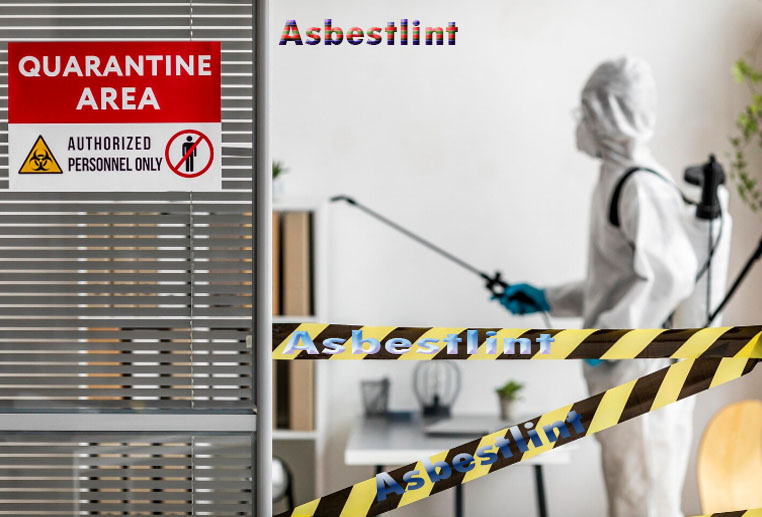
Asbestlint refers to tiny asbestos-related fibers and dust particles that spread through the air when asbestos-containing materials become damaged or old. These microscopic particles are extremely dangerous because they can easily enter the lungs through breathing. Many people discover Asbestlint during home renovations, industrial repairs, or demolition projects in older buildings. The growing concern around indoor air quality has increased awareness about asbestos contamination worldwide. Understanding the meaning of Asbestlint is important for protecting homes, workplaces, and public spaces from hidden environmental hazards.
The Origin and History of Asbestlint
Asbestos became widely used during the industrial revolution because of its heat resistance, strength, and durability.
Manufacturers added asbestos to insulation, cement, roofing, pipes, and industrial equipment for decades. Over time, aging materials started releasing lint-like asbestos fibers into the environment, creating what is now known as Asbestlint.
Health researchers later discovered that long-term exposure to these airborne fibers could cause severe respiratory diseases and cancers. Although many countries restricted asbestos use, older buildings still remain major sources of contamination today.
How Asbestos Became Popular Worldwide
Asbestos gained popularity because industries needed strong and fire-resistant materials for construction and manufacturing. Builders used it in homes, offices, schools, and factories due to its low cost and durability. The material became essential in insulation systems, roofing products, and heat protection equipment. During the twentieth century, asbestos production expanded rapidly across multiple industries around the world. Unfortunately, the hidden health risks were not fully understood until years later.
Industrial Growth and Use in Buildings
Rapid urban development increased the demand for asbestos materials in both residential and commercial structures.
Construction companies preferred asbestos because it improved fire safety and insulation performance. It was commonly installed in ceilings, walls, flooring, pipes, and ventilation systems. Industrial plants also used asbestos in machinery and heat-resistant applications.
As these materials aged, they gradually released harmful fibers into surrounding environments.
When Health Concerns Started Appearing
Medical researchers began noticing serious lung diseases among factory workers and construction employees exposed to asbestos dust.
Studies connected prolonged exposure to breathing problems, cancer, and chronic respiratory illnesses. Governments and health organizations started investigating asbestos safety regulations during the late twentieth century.
Public awareness increased as more workers developed asbestos-related diseases. This led to stricter laws and reduced asbestos use worldwide.
The Decline of Asbestos Materials
Many countries eventually restricted or banned asbestos products because of increasing health concerns.
Construction industries started replacing asbestos with safer alternatives like fiberglass and mineral wool. Public health campaigns educated people about the dangers of airborne asbestos fibers. Despite these efforts, millions of old buildings still contain asbestos materials today.
Aging infrastructure continues to create ongoing risks for property owners and workers.
Why Old Structures Still Carry Risks
Buildings constructed before asbestos bans often contain hidden asbestos insulation and cement products.
Over time, these materials weaken and release microscopic fibers into indoor air. Renovation projects can accidentally disturb asbestos-containing materials and spread contamination. Poor maintenance also increases the likelihood of airborne fiber exposure.
Older structures remain one of the biggest sources of Asbestlint contamination worldwide.
Where Asbestlint Is Commonly Found
Asbestlint is commonly found in older residential, commercial, and industrial buildings where asbestos products were heavily used.
Homes built decades ago may still contain asbestos insulation, floor tiles, ceiling coatings, and roofing materials. Industrial sites, factories, and warehouses often have aging asbestos insulation around machinery and pipes. Public buildings like schools and hospitals can also contain asbestos-based construction materials.
Identifying these locations is essential for preventing accidental exposure and protecting indoor air quality.
Residential Homes Built Before the 1990s
Older homes are among the most common places where asbestos materials remain hidden. Insulation, textured ceilings, roofing sheets, and vinyl flooring often contained asbestos fibers.
As these materials deteriorate, they can release dangerous lint-like particles into the air. Renovating old houses without professional inspection increases exposure risks significantly.
Homeowners should always inspect suspicious materials before starting repairs or remodeling projects.
Commercial Buildings and Offices
Many office buildings and commercial structures used asbestos for insulation and fireproofing purposes.
Ceiling tiles, wall panels, pipe insulation, and HVAC systems frequently contained asbestos components. Over time, damaged materials can contaminate entire ventilation systems with airborne fibers.
Employees working in poorly maintained buildings may unknowingly inhale these harmful particles. Professional inspections are important for maintaining safe workplace environments.
Factories and Industrial Plants
Factories historically relied on asbestos materials because of their ability to withstand extreme heat and chemical exposure. Boilers, turbines, industrial pipes, and machinery often used asbestos insulation. Workers in manufacturing environments faced high levels of exposure during maintenance and repair work. Even today, abandoned industrial sites may still contain dangerous asbestos contamination. Proper industrial cleanup procedures are essential for environmental safety.
Schools, Hospitals, and Public Infrastructure
Public buildings constructed decades ago often contain hidden asbestos materials in walls, ceilings, and flooring systems.
Schools and hospitals require careful monitoring because large numbers of people occupy these spaces daily. Damaged insulation and aging construction products can release fibers into classrooms and patient areas.
Governments now enforce strict asbestos management policies for public infrastructure. Regular inspections help reduce health risks in crowded facilities.
Automotive Parts and Old Machinery
Older vehicles and industrial machines frequently used asbestos in brakes, clutches, gaskets, and heat shields.
Mechanics repairing these components may disturb asbestos dust during maintenance work. Grinding or replacing worn parts can release harmful fibers into the surrounding air. Automotive asbestos exposure became a major concern for repair workers worldwide.
Modern manufacturers now use safer alternatives in most vehicle components.
What Causes Asbestlint to Spread
Asbestlint spreads when asbestos-containing materials become damaged, disturbed, or weakened with age.
Renovation projects, drilling, sanding, and demolition activities commonly release asbestos fibers into the air. Water leaks and weather damage can also break down insulation and cement products over time. Poor ventilation systems may circulate airborne fibers throughout entire buildings.
Understanding these causes helps reduce contamination risks and supports safer building maintenance practices.
Aging Construction Materials
Asbestos materials naturally deteriorate as buildings grow older and structural conditions decline. Cracks, moisture, and temperature changes weaken insulation and cement products over time.
Small fiber particles gradually separate from damaged surfaces and enter indoor air spaces. This slow breakdown process can continue for years without being noticed.
Older buildings therefore require regular inspections to identify hazardous materials early.
Renovation and Demolition Activities
Construction activities are one of the biggest causes of airborne asbestos contamination.
Drilling, cutting, sanding, or removing old materials releases microscopic fibers into the surrounding environment. Workers without protective equipment face serious exposure risks during these projects. Improper demolition methods can spread contamination far beyond the immediate work area.
Professional asbestos management is essential before beginning renovations in older properties.
Water Damage and Structural Cracks
Water leaks weaken asbestos insulation and construction materials by causing them to crumble or soften. Damaged ceilings, walls, and pipes may begin releasing lint-like fibers into the air.
Structural cracks also increase the breakdown of asbestos-containing surfaces over time. Moisture-related damage often remains hidden inside walls and ceilings for years. Early repairs help reduce the spread of hazardous particles indoors.
Air Ventilation and Fiber Movement
Air conditioning and ventilation systems can transport asbestos fibers throughout entire buildings once contamination begins.
Tiny airborne particles easily travel through ducts and settle on furniture, carpets, and surfaces. Poor filtration systems may continuously recirculate harmful fibers indoors. This creates widespread contamination even when the original source is located in a small area.
Proper HVAC maintenance helps reduce indoor exposure risks.
Poor Handling of Hazardous Waste
Improper disposal of asbestos waste allows fibers to spread into nearby communities and natural environments.
Open dumping and unsafe transportation practices increase contamination risks significantly. Workers handling damaged materials without protective measures may unknowingly spread fibers on clothing and equipment.
Environmental regulations now require strict asbestos disposal procedures in many countries. Responsible waste management plays a major role in protecting public health.
Health Risks Associated With Asbestlint
Exposure to Asbestlint can cause severe health problems because microscopic asbestos fibers enter the lungs and remain trapped inside the body for years.
Many asbestos-related diseases develop slowly, making early detection difficult for affected individuals. Workers in construction, demolition, manufacturing, and industrial maintenance face higher exposure risks than the general public. Even short-term exposure can become dangerous when fiber concentrations are high in enclosed environments.
Understanding these health risks is essential for preventing long-term respiratory diseases and protecting public safety.
How Fibers Enter the Human Body
Asbestos fibers mainly enter the body through breathing contaminated air in damaged or dusty environments. Once inhaled, these tiny particles settle deep inside the lungs and surrounding tissues. The body cannot easily remove asbestos fibers because of their sharp and durable structure. Over time, continuous exposure leads to inflammation, tissue scarring, and breathing complications. This is why airborne asbestos contamination is considered extremely hazardous in both homes and workplaces.
Lung Diseases Linked to Exposure
Long-term asbestos exposure is strongly connected to several chronic respiratory diseases affecting lung function.
Fibers trapped in lung tissues gradually cause irritation and permanent internal damage over many years. People exposed to asbestos may experience breathing difficulties, chest tightness, and chronic coughing problems.
Occupational exposure remains one of the leading causes of asbestos-related lung conditions worldwide. Early medical monitoring is important for individuals with known exposure histories.
Mesothelioma and Cancer Risks
Mesothelioma is a rare but aggressive cancer directly linked to asbestos exposure and airborne fiber contamination.
The disease affects the protective lining around the lungs, abdomen, or heart in severe cases. Symptoms often appear decades after exposure, making diagnosis difficult during early stages.
Many industrial workers and construction employees developed mesothelioma after prolonged asbestos contact. Preventing exposure remains the most effective way to reduce cancer risks associated with Asbestlint.
Long-Term Respiratory Problems
People exposed to asbestos fibers may develop chronic breathing disorders that worsen gradually over time.
Lung scarring reduces oxygen flow and makes physical activities more difficult for affected individuals. Some people experience wheezing, fatigue, chest discomfort, and reduced respiratory performance for years.
Severe cases may require oxygen support or long-term medical treatment to manage symptoms. Continuous exposure greatly increases the risk of permanent lung damage.
Symptoms That Should Never Be Ignored
Early symptoms of asbestos-related illness often resemble common respiratory conditions and may remain unnoticed initially.
Persistent coughing, shortness of breath, chest pain, and unusual fatigue should always be medically evaluated. Unexplained weight loss and difficulty breathing may also indicate serious lung complications. Individuals who worked around asbestos materials should seek regular health screenings and professional advice.
Early diagnosis can help manage health conditions more effectively before they become severe.
Early Warning Signs of Asbestlint Contamination
Detecting Asbestlint contamination early is important for reducing health risks and preventing widespread indoor exposure.
Many warning signs appear when asbestos materials begin deteriorating due to age, moisture, or physical damage. Dust accumulation near pipes, ceilings, and old flooring can indicate possible asbestos fiber release.
Property owners should never ignore visible cracks, crumbling insulation, or unusual indoor air quality problems. Professional testing remains the safest method for confirming asbestos contamination in buildings.
Dust Around Pipes and Ceilings
Old pipe insulation and ceiling materials may release powdery dust when asbestos products begin breaking down.
These particles often collect around damaged insulation systems and ventilation openings. Dust accumulation near heating pipes or ceiling corners can indicate hidden asbestos deterioration. Disturbing these materials without protection increases the chance of airborne contamination indoors.
Immediate professional inspection is recommended when suspicious dust appears in older buildings.
Crumbling Wall and Floor Materials
Damaged walls, cracked floor tiles, and deteriorating cement products may contain hidden asbestos fibers. As materials weaken over time, small lint-like particles spread into surrounding indoor spaces.
Renovation work can easily disturb these surfaces and release dangerous airborne fibers. Older flooring adhesives and textured wall coatings are also common asbestos sources. Property owners should avoid removing damaged materials without expert guidance.
Strange Indoor Air Quality Problems
Poor indoor air quality may signal hidden asbestos contamination in aging structures and ventilation systems.
People inside affected buildings may experience coughing, throat irritation, or breathing discomfort regularly. Airborne fibers can circulate through HVAC systems and settle throughout entire rooms. Unusual dust buildup combined with respiratory irritation should never be ignored.
Professional air testing helps determine whether asbestos contamination is present indoors.
Signs in Basements and Roof Areas
Basements, attics, and roof spaces often contain old asbestos insulation and cement materials in deteriorating condition.
Moisture buildup and temperature changes accelerate the breakdown of these products over time. Damaged roofing sheets and pipe wraps may release fibers into nearby living spaces through airflow systems.
These hidden areas are commonly overlooked during routine property maintenance. Regular inspections help identify potential asbestos hazards before contamination spreads further.
Why Professional Testing Matters
Asbestos fibers are microscopic and impossible to identify accurately without specialized testing equipment.
Professional inspectors safely collect samples and analyze them in certified laboratories for contamination confirmation. Attempting to test materials without training can release harmful fibers into the surrounding environment.
Accurate testing helps determine the level of risk and appropriate removal procedures required. Certified asbestos inspections provide safer solutions for homeowners, businesses, and industrial facilities.
Professional Asbestlint Inspection Process
Professional asbestos inspections help identify hazardous materials before they become major health and environmental risks.
Certified inspectors follow strict safety procedures to examine buildings, collect samples, and assess contamination levels accurately. The inspection process also determines whether immediate removal or long-term management is necessary.
Proper assessments protect property owners, workers, and occupants from accidental fiber exposure during maintenance or renovation activities. Hiring qualified experts is the safest approach for handling suspected asbestos contamination.
Initial Site Examination
Inspectors begin by examining the building structure and identifying materials that may contain asbestos fibers.
Older insulation, ceiling coatings, flooring systems, and pipe wraps receive special attention during inspections. Professionals evaluate visible damage, moisture exposure, and material deterioration throughout the property.
High-risk areas are documented carefully to support detailed contamination assessments later. The initial inspection stage provides the foundation for safe asbestos management planning.
Air and Material Sampling Methods
Specialized sampling techniques allow inspectors to safely collect material and air samples without spreading contamination.
Protective equipment and containment procedures reduce the risk of airborne fiber release during testing activities. Samples are carefully sealed and labeled before being sent to certified laboratories for analysis. Air quality monitoring also helps determine whether asbestos fibers are circulating indoors.
Accurate sampling methods are essential for reliable inspection results and safety evaluations.
Laboratory Testing Procedures
Certified laboratories use advanced microscopic analysis to detect asbestos fibers in collected samples accurately.
Testing procedures identify the type, concentration, and condition of asbestos-containing materials. Detailed laboratory reports help inspectors understand the level of contamination present inside the building.
These findings guide decisions regarding repair, removal, or long-term management strategies. Reliable testing plays a critical role in preventing unnecessary exposure risks.
Risk Assessment Reports
After testing is complete, inspectors prepare detailed reports outlining contamination levels and potential safety concerns.
These reports include affected areas, material conditions, and recommended corrective actions for property owners. Risk assessments help determine whether immediate removal is required or if materials can remain safely managed.
Proper documentation also supports legal compliance and workplace safety standards. Clear inspection reports make asbestos management more organized and effective.
Legal Compliance Requirements
Many countries enforce strict regulations for asbestos inspections, removal procedures, and environmental safety practices.
Property owners must often follow government guidelines before starting renovations or demolition projects. Certified asbestos professionals understand legal requirements related to testing, reporting, and hazardous waste disposal.
Failure to comply with regulations can result in serious penalties and health liabilities. Professional inspections ensure properties meet required safety and environmental standards.
Safe Asbestlint Removal Methods
Removing Asbestlint requires professional safety procedures because disturbing asbestos materials can release dangerous fibers into the air.
Certified asbestos removal experts use specialized equipment, protective clothing, and containment systems to control contamination effectively. Improper handling during removal projects may expose workers, homeowners, and nearby communities to serious health hazards.
Safe asbestos abatement focuses on minimizing airborne particles while following environmental and legal safety standards. Professional removal methods remain the safest solution for contaminated buildings and industrial facilities.
Why DIY Removal Is Dangerous
Attempting to remove asbestos materials without proper training can create severe contamination problems indoors.
Cutting, breaking, or moving damaged materials releases microscopic fibers into the surrounding air immediately. Ordinary household cleaning equipment cannot safely remove asbestos particles from contaminated surfaces.
Many people unknowingly spread fibers throughout homes by using vacuum cleaners or dry sweeping methods. Professional asbestos contractors understand how to control exposure risks safely during removal operations.
Protective Equipment Used by Experts
Certified asbestos removal teams wear specialized protective equipment designed to block fiber exposure completely.
Respirators, disposable suits, gloves, and sealed footwear help prevent fibers from entering the body or spreading outside work areas. High-efficiency filtration systems also reduce airborne contamination during removal procedures.
Workers follow strict decontamination routines before leaving hazardous zones. Proper protective equipment is essential for maintaining safety throughout asbestos abatement projects.
Sealing and Containment Techniques
Containment systems prevent asbestos fibers from spreading into unaffected parts of a building during removal work.
Professionals use plastic barriers, negative air pressure systems, and sealed workspaces to isolate hazardous areas. Wet removal methods are often applied to reduce dust generation while handling damaged materials.
Air filtration equipment continuously captures microscopic fibers from the surrounding environment. Effective containment significantly lowers contamination risks during asbestos removal activities.
Safe Transportation and Disposal
Asbestos waste must be carefully sealed and transported according to environmental safety regulations.
Specialized containers and labeled hazardous waste bags help prevent accidental fiber release during transportation. Disposal sites approved for asbestos materials follow strict environmental protection procedures.
Illegal dumping of asbestos waste creates serious contamination risks for nearby communities and ecosystems. Responsible disposal practices are critical for protecting public health and environmental safety.
Post-Removal Air Purification
After asbestos removal is completed, professionals perform detailed air purification and environmental cleaning procedures. HEPA filtration systems remove remaining airborne particles from indoor spaces before the area is declared safe. Final air quality testing confirms whether contamination levels meet legal safety standards. Thorough cleaning also prevents hidden fibers from remaining on surfaces, carpets, and ventilation systems. Post-removal inspections ensure buildings are safe for occupancy again.
Government Laws and Safety Regulations
Governments worldwide enforce strict asbestos laws to reduce health risks and protect workers from hazardous exposure.
Safety regulations control how asbestos materials are inspected, removed, transported, and disposed of legally. Property owners, contractors, and industrial companies must follow these rules during renovation and demolition activities.
Failure to comply with asbestos regulations can lead to heavy fines, lawsuits, and environmental penalties. Strong legal frameworks play a major role in minimizing asbestos contamination worldwide.
International Asbestos Bans
Many countries introduced asbestos bans after scientific research confirmed serious health risks linked to fiber exposure.
Governments gradually prohibited the use of asbestos in construction materials, insulation products, and industrial manufacturing. Some nations completely banned asbestos imports and production to protect public health more effectively.
However, certain countries still use limited asbestos products under controlled regulations. International awareness campaigns continue encouraging global restrictions on asbestos use.
Workplace Safety Standards
Workplace safety organizations created strict guidelines to protect employees working near asbestos-containing materials.
Employers must provide protective equipment, exposure monitoring, and proper training for workers in hazardous environments. Construction sites and industrial facilities often require air testing to ensure fiber levels remain within legal limits.
Safety standards also regulate how asbestos waste is handled and transported safely. Strong workplace protections help reduce occupational asbestos exposure significantly.
Property Owner Responsibilities
Building owners are responsible for identifying and managing asbestos hazards within their properties properly.
Many regions require inspections before renovation, demolition, or major repair projects begin. Property managers must also inform workers and tenants about potential asbestos risks in affected buildings.
Ignoring damaged asbestos materials may create legal liabilities and serious health concerns for occupants. Responsible property maintenance supports safer indoor environments and regulatory compliance.
Environmental Protection Policies
Environmental agencies monitor asbestos disposal practices to prevent contamination of soil, water, and air systems.
Special regulations control how asbestos waste is packaged, transported, and buried at approved disposal facilities. Demolition companies must follow environmental procedures to reduce airborne pollution during building removal projects.
Governments also investigate illegal dumping activities that threaten surrounding communities. Strong environmental policies help limit long-term asbestos contamination risks.
Penalties for Illegal Disposal
Improper asbestos disposal can result in severe financial penalties and legal consequences for individuals and businesses.
Illegal dumping increases environmental contamination and places nearby populations at serious health risk. Authorities may issue heavy fines, business restrictions, or criminal charges for unsafe asbestos handling practices.
Strict enforcement encourages companies to follow approved removal and disposal procedures correctly. Legal accountability remains essential for public and environmental protection.
Modern Alternatives Replacing Asbestos Materials
Modern industries now use safer materials to replace asbestos in construction, insulation, and manufacturing applications.
These alternatives provide durability, heat resistance, and fire protection without creating the same health hazards. Technological advancements have improved the quality and performance of non-asbestos products significantly over recent decades.
Builders and manufacturers increasingly prefer environmentally friendly materials for safer residential and commercial construction projects. The transition away from asbestos has improved workplace safety and public health worldwide.
Fiberglass Insulation Solutions
Fiberglass insulation is one of the most common replacements for asbestos in residential and commercial buildings.
It provides effective thermal insulation while remaining lightweight and affordable for construction projects. Unlike asbestos, fiberglass does not create long-term cancer risks when handled properly. Builders use fiberglass in walls, ceilings, pipes, and ventilation systems for improved energy efficiency.
Its widespread availability makes it a popular choice for modern insulation needs.
Mineral Wool and Ceramic Fibers
Mineral wool and ceramic fiber products offer strong heat resistance for industrial and fireproofing applications.
These materials are commonly used in factories, power plants, and commercial structures requiring thermal protection. They provide excellent insulation performance while reducing harmful airborne contamination risks.
Manufacturers continue improving these materials to enhance durability and environmental sustainability. Safer fiber technologies have become essential in modern industrial safety standards.
Eco-Friendly Construction Materials
Sustainable building materials are becoming increasingly popular as industries focus on healthier and environmentally responsible construction practices.
Recycled cellulose insulation, natural fibers, and eco-friendly cement products reduce environmental impact while improving indoor safety. These alternatives help minimize harmful emissions and hazardous waste generation during construction projects.
Green building technologies also support energy efficiency and long-term sustainability goals. Eco-friendly materials represent the future of safer construction worldwide.
Safer Fireproofing Technologies
Modern fireproofing systems no longer rely on dangerous asbestos-based materials for heat protection.
Advanced coatings, fire-resistant boards, and synthetic insulation products provide strong fire resistance without health hazards. Commercial buildings and industrial facilities now use safer technologies to meet modern safety regulations.
Continuous innovation has improved fireproofing performance while reducing toxic exposure risks. These advancements support healthier workplaces and safer public infrastructure.
Future Innovations in Building Safety
Construction industries continue developing innovative materials designed to improve safety and environmental protection.
Smart insulation systems, advanced air filtration technologies, and sustainable fireproofing solutions are shaping the future of building design. Researchers are also creating stronger non-toxic materials for industrial and residential use.
These innovations aim to reduce hazardous exposure while improving structural efficiency and durability. Modern safety technologies will continue replacing dangerous asbestos materials worldwide.
How to Protect Your Family From Asbestlint
Protecting families from Asbestlint begins with awareness, regular property inspections, and safe handling of older construction materials.
Many homes built decades ago still contain hidden asbestos products inside walls, ceilings, flooring, and insulation systems.
Disturbing these materials during repairs or renovations can release dangerous fibers into indoor air.
Preventive maintenance and professional asbestos management significantly reduce contamination risks in residential environments. Families should always prioritize safety when dealing with suspicious building materials or aging structures.
Home Maintenance Best Practices
Routine property maintenance helps identify damaged asbestos-containing materials before they become serious health hazards.
Homeowners should regularly inspect ceilings, pipes, roofing materials, and insulation for visible deterioration or cracks. Water leaks and moisture damage should be repaired quickly to prevent material breakdown and airborne fiber release.
Keeping older structures in good condition reduces the chances of asbestos contamination indoors. Preventive maintenance is one of the most effective ways to minimize exposure risks at home.
Renovation Safety Tips
Renovating older buildings without proper precautions may release dangerous asbestos fibers into the surrounding environment.
Homeowners should avoid drilling, sanding, cutting, or removing suspicious materials without professional inspection first. Certified asbestos experts can safely assess whether hazardous materials are present before construction begins.
Temporary containment barriers and proper ventilation systems help reduce airborne contamination during renovation projects. Careful planning and professional support are essential for safe home improvement activities.
Hiring Certified Professionals
Certified asbestos contractors have the training and equipment required to manage hazardous materials safely and legally.
Professional inspectors can identify contamination risks and recommend proper removal or containment solutions. Licensed abatement teams follow strict safety standards to minimize airborne fiber exposure during projects.
Hiring unqualified workers may increase contamination risks and create legal liabilities for property owners. Professional expertise remains the safest option for handling asbestos-related concerns.
Improving Indoor Air Quality
Maintaining clean indoor air helps reduce the spread of harmful airborne particles in older buildings.
High-quality air filtration systems and regular HVAC maintenance improve ventilation and remove dust from indoor spaces. HEPA filters are especially effective for capturing microscopic particles that standard filters may miss.
Proper airflow also reduces moisture buildup, which can damage asbestos-containing materials over time. Good indoor air quality supports healthier living environments for families and occupants.
Emergency Steps After Exposure
If asbestos contamination is suspected, immediate action is necessary to reduce further exposure and protect everyone nearby.
People should avoid disturbing damaged materials and leave the affected area until professionals inspect the site safely. Contaminated clothing and tools should be isolated to prevent fiber spread throughout the property.
Medical advice may also be necessary for individuals exposed to significant airborne contamination. Quick response measures help minimize health risks after accidental asbestos exposure.
Environmental Impact of Asbestlint Pollution
Asbestlint pollution creates long-term environmental problems because asbestos fibers remain in nature for many years without breaking down easily.
Improper disposal and uncontrolled demolition projects can release dangerous particles into soil, water, and surrounding communities. Environmental contamination threatens wildlife, ecosystems, and public health in both urban and industrial areas.
Governments continue developing stricter waste management policies to control asbestos pollution effectively. Understanding environmental risks is important for promoting safer disposal and cleanup practices worldwide.
Soil and Water Contamination Risks
Improper asbestos disposal can contaminate soil and groundwater systems with dangerous microscopic fibers. Rainwater may carry asbestos particles into rivers, lakes, and underground water sources over time.
Contaminated soil also increases exposure risks for nearby construction workers and local communities. Environmental cleanup becomes extremely difficult once fibers spread across large outdoor areas.
Safe disposal practices are essential for preventing long-term ecological contamination.
Airborne Fiber Pollution
Airborne asbestos fibers can travel long distances through wind and industrial air movement systems.
Demolition projects and damaged buildings often release particles into nearby neighborhoods and public spaces. Once fibers become airborne, they may settle on roads, vegetation, and residential properties. Poor environmental controls increase pollution risks for surrounding populations significantly.
Proper containment methods help reduce outdoor asbestos contamination during construction activities.
Industrial Waste Concerns
Factories and industrial facilities historically produced large amounts of asbestos waste during manufacturing operations.
Many older industrial sites still contain contaminated equipment, insulation materials, and hazardous debris. Unsafe handling of industrial asbestos waste creates ongoing environmental and occupational health risks.
Governments now require strict disposal and monitoring procedures for industrial contamination sites. Responsible waste management helps reduce long-term pollution problems in industrial regions.
Challenges in Waste Management
Asbestos waste management remains difficult because fibers must be handled carefully to avoid accidental contamination.
Specialized disposal sites and sealed transportation systems are necessary for safe waste handling procedures. Many developing regions still face challenges related to illegal dumping and limited hazardous waste infrastructure.
Improper landfill practices can expose nearby communities to environmental contamination over time. Strong regulations and improved waste systems are important for safer asbestos management.
Sustainable Disposal Solutions
Modern environmental programs focus on developing safer and more sustainable asbestos disposal methods worldwide.
Advanced containment systems, secure landfill technologies, and improved recycling research are helping reduce pollution risks. Governments and environmental organizations continue promoting responsible cleanup strategies for contaminated sites.
Public awareness campaigns also encourage safer handling and reporting of hazardous asbestos materials. Sustainable disposal practices support healthier communities and long-term environmental protection.
The Future of Asbestlint Awareness
Global awareness about asbestos dangers continues growing as governments, researchers, and health organizations improve public education efforts.
Modern technologies are making asbestos detection faster, safer, and more accurate for both residential and industrial environments. Increased awareness encourages property owners and industries to follow stricter safety standards during construction and renovation projects.
Future innovations in environmental monitoring and building safety will help reduce exposure risks significantly. Continued education remains essential for protecting future generations from asbestos-related hazards.
Growing Public Awareness Campaigns
Health organizations and environmental agencies continue educating the public about the dangers of asbestos exposure.
Awareness campaigns encourage safer renovation practices and promote professional asbestos inspections in older buildings. Schools, workplaces, and local communities increasingly participate in educational programs related to environmental safety.
Better public understanding helps reduce accidental exposure during construction and maintenance activities. Awareness remains one of the strongest tools for preventing asbestos-related illnesses.
Advancements in Detection Technology
Modern asbestos detection equipment allows professionals to identify contamination more accurately and efficiently than ever before. Advanced air monitoring systems and laboratory testing methods improve the speed of asbestos inspections significantly. Portable detection technologies also help inspectors locate hidden contamination inside buildings quickly. Improved testing accuracy supports better safety planning during renovations and demolition projects. Technology continues playing a major role in asbestos risk management worldwide.
Safer Urban Development Practices
Construction industries are adopting safer building practices to reduce environmental hazards in growing urban areas.
New regulations encourage developers to remove hazardous materials responsibly before redevelopment begins. Sustainable construction methods and non-toxic materials are becoming standard in modern infrastructure projects.
Urban planning now focuses more heavily on public health and long-term environmental safety. Safer development strategies help create healthier cities for future populations.
Global Efforts to Reduce Exposure
International organizations continue working together to reduce asbestos exposure and improve workplace safety standards globally.
Many countries now share research, safety guidelines, and environmental management strategies for handling asbestos contamination. Global cooperation supports stronger regulations and better protection for workers and communities worldwide.
Public health initiatives also encourage safer alternatives to asbestos products in industrial manufacturing. International action remains essential for reducing global contamination risks.
Building a Healthier Future
The future of asbestos safety depends on stronger awareness, responsible environmental practices, and continued technological innovation.
Safer construction materials and improved regulations are helping reduce exposure risks in homes, workplaces, and public infrastructure. Communities that prioritize environmental safety can better protect future generations from long-term health hazards.
Ongoing research and education will continue improving asbestos management strategies worldwide. A healthier future begins with prevention, awareness, and responsible action today.
Final Thoughts on Asbestlint
Asbestlint remains a serious environmental and public health concern due to the dangerous nature of airborne asbestos fibers.
Older buildings, industrial sites, and damaged construction materials continue to create contamination risks for workers, homeowners, and surrounding communities. Understanding the causes, health effects, and safe management practices associated with asbestos exposure is essential for maintaining safer living and working environments.
Professional inspections, responsible removal methods, and stronger public awareness programs play important roles in reducing long-term health hazards.
By following modern safety standards and promoting preventive action, communities can create healthier and safer spaces for future generations.





Responses