
The Ultimate Guide to Shrimp Cocktail: Perfect Appetizers for Any Occasion`

Introduction
Americans consume over 1.3 billion pounds of shrimp each year, making it the most popular seafood in the country. Among all shrimp preparations, shrimp cocktail remains the most requested appetizer at restaurants and special events. This classic dish has graced tables for over a century, yet many home cooks feel intimidated by preparing it themselves.
The truth is, making restaurant quality shrimp cocktail at home is easier than you think. With the right techniques and quality ingredients, you can create an impressive appetizer that costs a fraction of what restaurants charge. This comprehensive guide will teach you everything you need to know about selecting, preparing, and serving perfect shrimp cocktail every time.
What Makes Shrimp Cocktail So Special
Shrimp cocktail represents the perfect balance of simplicity and elegance. The dish consists of chilled, cooked shrimp served with cocktail sauce, typically arranged around a bowl or glass. Its appeal lies in the sweet, tender texture of properly prepared shrimp paired with tangy, spicy cocktail sauce.
The popularity of shrimp cocktail stems from its versatility. It works equally well as a casual snack or formal appetizer. The dish requires no heating or last minute preparation, making it ideal for entertaining. Plus, shrimp cocktail offers an excellent source of protein while remaining relatively low in calories.
Most importantly, quality shrimp cocktail showcases the natural flavor of fresh seafood. When prepared correctly, each shrimp should be tender, sweet, and perfectly seasoned. The cocktail sauce should complement, not overpower, the delicate shrimp flavor.
Health Benefits of Shrimp Cocktail
Shrimp cocktail provides numerous nutritional benefits that make it a smart appetizer choice. A typical serving of six large shrimp contains approximately 84 calories and 18 grams of high quality protein. This makes shrimp cocktail an excellent option for people following low calorie or high protein diets.
Shrimp contains significant amounts of selenium, a powerful antioxidant that supports immune function. It also provides vitamin B12, which is essential for nerve function and red blood cell formation. The iodine in shrimp supports healthy thyroid function, while phosphorus contributes to strong bones and teeth.
Despite concerns about cholesterol, research shows that shrimp consumption does not significantly impact blood cholesterol levels in most people. The omega 3 fatty acids in shrimp may actually help improve heart health. However, people with shellfish allergies should obviously avoid shrimp cocktail entirely.
Selecting the Best Shrimp for Cocktail
The quality of your shrimp cocktail depends entirely on the shrimp you choose. Fresh shrimp should smell like the ocean, not fishy. The shells should be firm and translucent, with no black spots or slimy texture. If buying pre cooked shrimp, ensure they were cooked and frozen quickly to maintain quality.
Size matters when making shrimp cocktail. Large shrimp, typically labeled 16/20 or 21/25 count per pound, work best for cocktail presentations. These sizes provide substantial bites while remaining easy to eat with fingers. Jumbo shrimp (U/15 count) can work for special occasions but may be too large for comfortable eating.
Wild caught shrimp generally offers superior flavor compared to farm raised varieties. Look for shrimp from the Gulf of Mexico, North Atlantic, or Pacific Northwest for the best taste. Avoid shrimp that has been treated with sulfites, which can cause allergic reactions in sensitive individuals.
Frozen shrimp often provides better quality than supposedly “fresh” shrimp that may have been thawed for unknown periods. When buying frozen shrimp, choose packages without ice crystals or freezer burn. Thaw frozen shrimp overnight in the refrigerator for best results.
How to Cook Perfect Shrimp for Cocktail
Proper cooking technique makes the difference between tender, flavorful shrimp and rubbery disappointments. Start with a large pot of well salted water, using approximately one tablespoon of salt per quart. Add aromatics like lemon slices, bay leaves, and peppercorns to infuse subtle flavors into the shrimp.
Bring the seasoned water to a rolling boil before adding shrimp. Drop the shrimp into the boiling water and stir once to prevent sticking. Large shrimp typically require 2 to 3 minutes of cooking time. The shrimp are done when they turn pink and curl slightly.
Remove cooked shrimp immediately and plunge them into an ice bath to stop the cooking process. This step prevents overcooking and helps maintain the firm texture that makes great shrimp cocktail. Let the shrimp cool completely in the ice bath before peeling and deveining.
Peel cooked shrimp by gently removing the shell, leaving the tail on for easy handling during serving. Use a small knife to make a shallow cut along the back of each shrimp and remove the dark vein. Rinse peeled shrimp under cold water and pat dry before chilling.
Classic Cocktail Sauce Recipes
Traditional cocktail sauce combines horseradish, ketchup, lemon juice, and hot sauce for a tangy, spicy accompaniment to cold shrimp. The basic ratio uses one cup ketchup, two tablespoons prepared horseradish, one tablespoon fresh lemon juice, and several dashes of hot sauce. Adjust the horseradish and hot sauce quantities based on your heat preference.
For a more sophisticated cocktail sauce, try adding finely minced shallots, fresh herbs like dill or chives, or a splash of quality vodka. Some recipes include Worcestershire sauce for added umami depth. Always taste and adjust seasonings, remembering that flavors will meld and intensify after the sauce chills.
Prepare cocktail sauce at least one hour before serving to allow flavors to blend properly. The sauce can be made up to three days ahead and stored in the refrigerator. Bring it to room temperature about 15 minutes before serving for the best flavor balance.
Consider offering multiple sauce options for variety. A spicy remoulade, green goddess dressing, or simple lemon aioli can provide interesting alternatives to traditional cocktail sauce. This gives guests options while showcasing your culinary creativity.
Presentation and Serving Tips
Visual presentation elevates shrimp cocktail from simple appetizer to elegant centerpiece. Arrange cooked shrimp around the rim of a large glass bowl or martini glass filled with cocktail sauce. The shrimp should hang over the edge with tails pointing outward for easy grasping.
Create height and visual interest by using a tiered serving stand or multiple levels of plates and bowls. Garnish with fresh parsley, lemon wedges, or cherry tomatoes for color contrast. Ice beds help keep shrimp properly chilled during extended serving periods.
Calculate approximately 4 to 6 large shrimp per person for appetizer portions. For cocktail parties where shrimp cocktail is one of several appetizers, plan for 3 to 4 shrimp per guest. If serving as the main appetizer, increase to 6 to 8 shrimp per person.
Provide small appetizer plates and cocktail napkins for guest convenience. Consider offering small spoons for the cocktail sauce to prevent double dipping. Keep backup shrimp chilled in the refrigerator to refresh the display as needed during long events.
Storage and Food Safety Guidelines
Proper storage ensures your shrimp cocktail remains safe and delicious. Cooked shrimp should be refrigerated within two hours of cooking and consumed within three days. Store shrimp in shallow containers to allow quick cooling and maintain consistent temperatures.
Never leave shrimp cocktail at room temperature for more than two hours, or one hour when ambient temperatures exceed 90 degrees. Use ice beds or chafing dishes with ice compartments to keep shrimp properly chilled during serving. Replace ice regularly to maintain safe temperatures.
When preparing large quantities ahead of time, keep different components separate until serving. Store cooked shrimp in one container and cocktail sauce in another. This prevents the acid in the sauce from affecting shrimp texture during extended storage.
Frozen cooked shrimp maintains quality for up to six months when properly wrapped. However, previously frozen shrimp should not be refrozen after thawing. Always thaw frozen shrimp in the refrigerator, never at room temperature or in warm water.
Creative Variations and Modern Twists
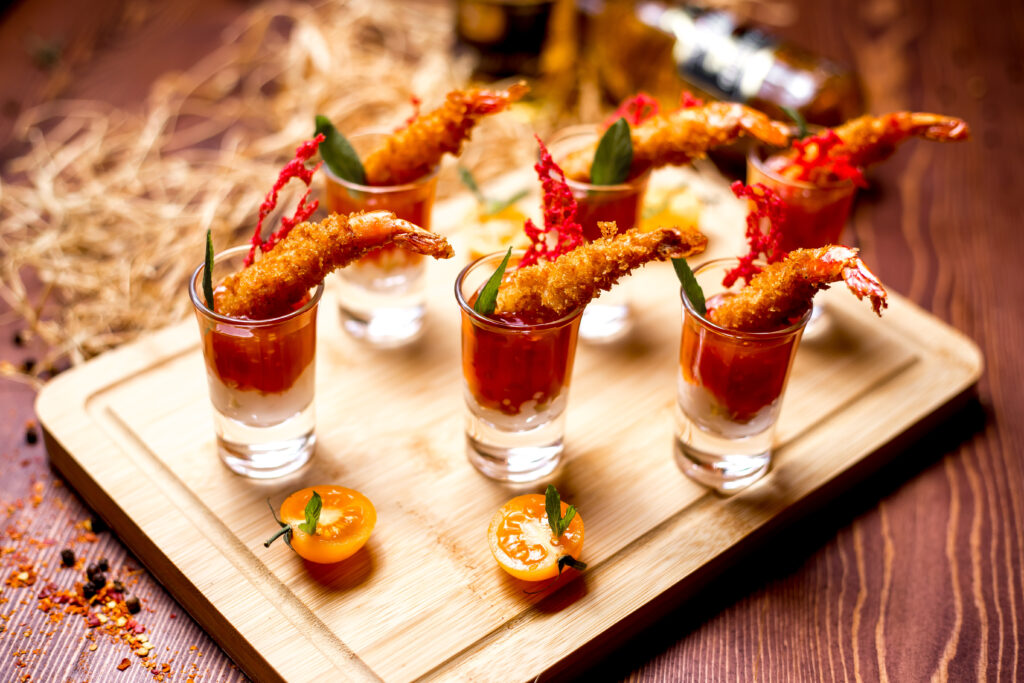
While classic shrimp cocktail never goes out of style, creative variations can add excitement to your appetizer spread. Try serving shrimp cocktail in individual shot glasses or mason jars for a modern presentation. This approach creates portion control and eliminates serving utensils.
Grilled shrimp cocktail offers a smoky flavor that pairs beautifully with chipotle cocktail sauce. Marinate raw shrimp in olive oil, garlic, and herbs before grilling over medium high heat for 2 to 3 minutes per side. Chill completely before serving with spicy sauce.
Asian inspired shrimp cocktail uses soy sauce, rice vinegar, and sesame oil in the marinade. Serve with a dipping sauce made from soy sauce, lime juice, and chili garlic sauce. Garnish with cilantro and sliced green onions for authentic Asian flavors.
Mediterranean style shrimp cocktail incorporates olive oil, lemon, oregano, and feta cheese. Marinate cooked shrimp in olive oil and lemon juice, then serve with a tzatziki style sauce made from Greek yogurt, cucumber, and herbs.
Troubleshooting Common Problems
Overcooked shrimp represents the most common shrimp cocktail failure. Rubbery, tough shrimp results from excessive heat or cooking time. Always use a timer and remove shrimp from heat as soon as they turn pink and curl slightly. The residual heat will finish the cooking process.
Bland shrimp usually indicates insufficient seasoning in the cooking water. Use plenty of salt and aromatics when boiling shrimp. The brief cooking time means seasoning must be absorbed quickly, so generous salting is essential for flavor development.
Cocktail sauce that tastes flat often needs more acid or heat. Add fresh lemon juice gradually until the sauce brightens, then adjust horseradish and hot sauce to taste. Remember that chilled foods need more seasoning than room temperature dishes.
If your shrimp cocktail appears watery, ensure shrimp are completely drained and patted dry after cooling. Excess moisture dilutes cocktail sauce and creates an unappealing presentation. Store prepared shrimp on paper towels to absorb any remaining moisture.
Pairing Shrimp Cocktail with Other Foods
Shrimp cocktail pairs beautifully with other cold appetizers for elegant cocktail party spreads. Consider serving alongside oysters on the half shell, smoked salmon, or a selection of artisanal cheeses. These combinations create sophisticated appetizer tables that impress guests.
Wine pairings for shrimp cocktail include crisp white wines like Sauvignon Blanc, Pinot Grigio, or Champagne. The acidity in these wines complements the cocktail sauce while cleansing the palate between bites. Light red wines like Pinot Noir also work well with the sweet shrimp flavor.
For casual gatherings, serve shrimp cocktail with other finger foods like deviled eggs, stuffed mushrooms, or vegetable crudité. This approach creates variety while maintaining the no utensils required theme that makes cocktail parties successful.
Consider the timing when planning your appetizer menu. Shrimp cocktail requires no last minute preparation, making it perfect to serve alongside hot appetizers that need attention right before guests arrive.
Cost Effective Tips for Large Groups
Buying shrimp in bulk reduces per pound costs significantly. Many grocery stores offer discounts on large quantities, and warehouse clubs provide excellent prices for party planning. Calculate your needs carefully to avoid waste while maximizing savings.
Cooking your own shrimp saves substantial money compared to buying pre cooked varieties. The process takes minimal time and effort while providing superior quality control. You can also customize seasoning and cooking methods to your preferences.
Making cocktail sauce from scratch costs a fraction of store bought versions. Basic ingredients like ketchup, horseradish, and lemon juice are inexpensive and readily available. Large batches of homemade sauce can be prepared days ahead and frozen for future use.
Consider serving shrimp cocktail alongside less expensive appetizers to stretch your budget. Cheese and crackers, vegetable dips, or homemade bread can fill out the appetizer table while keeping costs reasonable.
Seasonal Considerations and Availability
Shrimp availability and pricing fluctuate throughout the year based on harvesting seasons and market conditions. Gulf Coast shrimp season typically runs from spring through fall, providing the best prices and selection during these months. Plan special events during peak season when possible.
Summer entertaining naturally favors cold appetizers like shrimp cocktail. The make ahead nature and chilled serving temperature make it perfect for outdoor parties and warm weather gatherings. No heating required means less stress in hot kitchens.
Holiday seasons often see increased shrimp prices due to higher demand. Plan ahead and consider buying and freezing shrimp when prices are lower. Properly frozen shrimp maintains quality for months, allowing you to lock in good prices for future events.
Consider regional availability when planning menus. Coastal areas typically offer better selection and pricing on fresh seafood. Inland locations may find better value in high quality frozen options from reputable suppliers.
Equipment and Tools You Need
Successful shrimp cocktail preparation requires minimal specialized equipment. A large pot for boiling, a colander for draining, and bowls for ice baths cover the basic cooking needs. Sharp knives for peeling and deveining help ensure attractive presentation.
Serving equipment varies based on presentation style and guest count. Tiered serving stands create elegant displays for formal events. Simple glass bowls work perfectly for casual gatherings. Ice buckets or chafing dish inserts help maintain proper temperatures during extended serving.
Quality kitchen thermometers ensure food safety during preparation and serving. Instant read thermometers help monitor cooking temperatures, while probe thermometers can monitor holding temperatures for large events.
Storage containers with tight fitting lids preserve quality during make ahead preparation. Clear containers allow easy identification of contents and help track freshness dates for food safety compliance.
Professional Tips from Restaurant Chefs
Restaurant chefs emphasize the importance of proper mise en place when preparing large quantities of shrimp cocktail. Having all ingredients measured, tools cleaned, and workspace organized prevents mistakes and ensures consistent results under pressure.
Batch cooking allows better quality control than attempting to cook massive quantities at once. Work in manageable batches that fit comfortably in your equipment. This approach provides better cooking control and easier handling during the cooling process.
Taste testing throughout preparation ensures consistent seasoning and quality. Sample both shrimp and cocktail sauce regularly, adjusting seasonings as needed. Remember that chilled foods require more aggressive seasoning than hot preparations.
Advanced preparation timelines help manage stress during large events. Cook and chill shrimp up to two days ahead, make cocktail sauce three days early, and arrange serving displays the morning of your event. This staging prevents last minute rushes.
Conclusion
Perfect shrimp cocktail combines quality ingredients, proper technique, and thoughtful presentation. The difference between restaurant quality and disappointing results lies in attention to detail during each step of preparation. Fresh shrimp, properly seasoned cooking water, and immediate chilling create the foundation for success.
Remember that shrimp cocktail offers more than just great taste. It provides excellent nutrition, works for various dietary restrictions, and adapts to any serving style from casual to elegant. The make ahead nature makes it perfect for stress free entertaining.
Most importantly, don’t let intimidation prevent you from trying this classic appetizer. With practice, making shrimp cocktail becomes as simple as any other cooking task. Your guests will appreciate the effort, and you’ll gain confidence in seafood preparation.
Ready to impress your guests with restaurant quality shrimp cocktail? Start with high quality shrimp, follow these proven techniques, and prepare for the compliments. Your next party deserves this timeless appetizer that never fails to please.




Responses