
Detecting Water Leaks at Home: Signs, Solutions, and Prevention Tips

Key Takeaways
- Spotting and fixing leaks early protects your home, health, and wallet.
- Recognizing the subtle but telling symptoms of water leaks can help homeowners and renters prevent extensive damage and costly repairs.
- Developing a routine for leak detection and incorporating innovative technology can drastically reduce risks and long-term expenses.
- A combined approach of DIY maintenance and knowing when to call in professionals delivers the most reliable leak prevention.
What Are the Most Frequent Causes of Household Water Leaks?
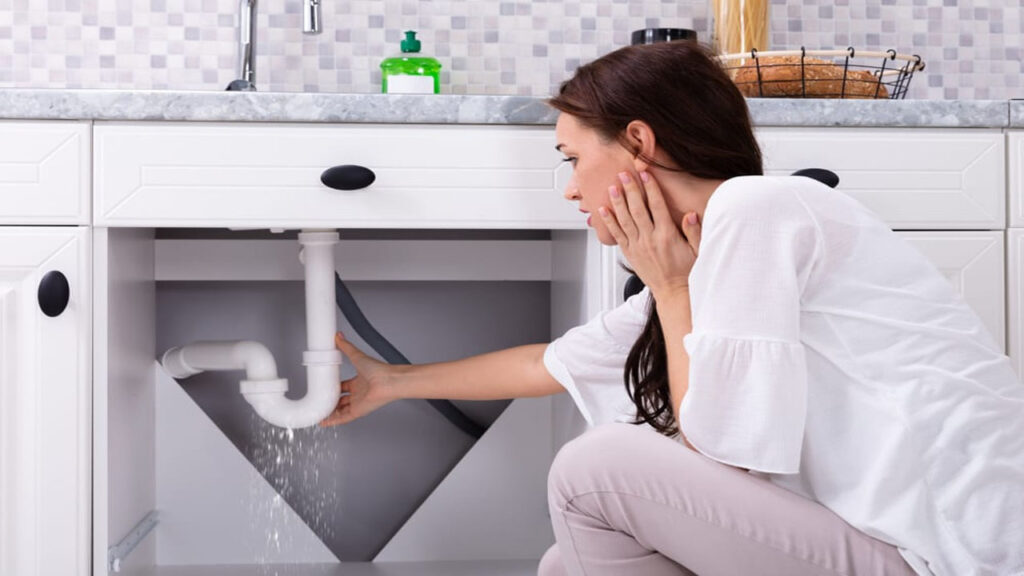
Household water leaks are a much more common problem than most people realize. Even in new homes, issues can start with slight manufacturing defects, poor installation, or materials that wear faster than expected. The majority of leaks, however, develop gradually as fixtures, hoses, and pipes age. Common culprits include faucets that drip due to worn washers, toilet flappers that no longer seal, water heaters that rust from the inside, and washing machine hoses that become brittle over time. Pipes hidden in walls are also subject to joint degradation and corrosion, especially in homes with hard water or metal pipes. When water pressure gets too high, even the most robust system can be stressed, eventually causing a rupture. In extreme cases, leaks go unnoticed behind walls or underground, where persistent moisture can foster mold and rot. That’s why scheduling a water leak inspection Monroe provides immediate answers and long-term peace of mind for anyone unsure about their plumbing’s integrity.
The scope of this problem is enormous—according to the EPA’s Fix a Leak Week, household leaks can account for nearly 10,000 gallons of wasted water each year for a family. That’s the equivalent of the water needed for 270 loads of laundry or enough to meet the annual indoor water needs of 11 million homes. This data highlights how vital it is to routinely check for leaks, even if everything seems normal at first glance. Early action is the most reliable way to avoid expensive surprises.
Spotting the Subtle Signs of a Hidden Water Leak
While an obvious puddle or the sound of dripping water is hard to miss, hidden leaks are far more insidious and often lead to significant issues before becoming visible. You may notice areas of your walls, ceilings, or even flooring becoming stained, warped, or spongy to the touch—these symptoms signal ongoing moisture inside your home’s structure. A sudden, unexplained spike in your monthly water bill is another key indicator. Mold growth often accompanies long-term leaks, particularly in corners or along baseboards where ventilation is poor. Listen for faint, easily overlooked sounds, such as hissing noises in walls or under cabinets. Sometimes, unpleasant smells—like mildew or earth—suggest lingering moisture, even if no mold exists. Leaks occasionally show themselves through bubbling paint or peeling wallpaper, resulting from trapped moisture forcing its way to the surface. The Angi home maintenance guide emphasizes the importance of being observant and acting at the first sign of trouble to prevent escalation.
Simple DIY Leak Detection Techniques
- Monitor your water meter: First, make sure all water sources are turned off, then locate your home’s main water meter. If the dial continues to move, it indicates water is going somewhere, even if you can’t see it. This method can help you identify leaks both inside and outside.
- Test toilets with food coloring: Toilets are notorious for silently wasting water. Place a few drops of food coloring in the tank and wait ten minutes. If the water in the bowl changes color without flushing, you have a leaky valve or flapper.
- Inspect appliances and under sinks: Check under your kitchen and bathroom sinks, behind and beneath dishwashers and washing machines. Look for dripping, pooling water, stains, or musty smells.
- Listen for unusual sounds: Sometimes, the telltale sign of a hidden leak is sound. Listen near walls, floors, and under cabinets on a quiet night for the faint trickle or hiss of moving water.
Conducting a monthly check using these methods can save thousands by detecting leaks. Many seasoned homeowners make these tests part of a seasonal home maintenance routine, especially before leaving for extended periods or during the yard-watering season.
When to Call a Professional for Leak Detection
Despite the best DIY efforts, some leaks defy detection. That’s when professional expertise becomes essential. Licensed plumbers have access to specialized tools such as acoustic leak detectors, infrared imaging cameras, and moisture meters that can pinpoint leaks in foundations, behind tiled walls, or beneath concrete slabs with astonishing accuracy. Persistent symptoms like stains that won’t dry, sticky humidity in isolated rooms, or an odor that lingers all point to a problem beyond DIY solutions. Professional detection can also reveal multiple small leaks or diagnose larger-scale plumbing malfunctions—a relief for anyone who has ruled out simpler causes. Timely intervention prevents further moisture intrusion, avoiding mold infestations, weakened framing, or even safety hazards like electrical shorts.
Preventative Maintenance for Long-Term Leak Protection
- Regular visual inspections: Examine all visible plumbing lines, fixture connections, and appliances at least twice a year. Early signs of trouble include mineral scaling, rust, or persistent dampness.
- Replace aging parts: Rubber and plastic hoses, especially on washing machines and ice makers, should be replaced every 3–5 years as they tend to wear out first. Upgrading to braided stainless steel hoses increases durability.
- Flush your water heater annually: Sediment accumulation can lead to rust, inefficiency, and leaks. Draining the tank every year ensures maximum service life and efficiency.
- Install leak sensors: Modern leak alarms or smart sensors can be placed in common trouble spots. These devices send alerts straight to your phone; some even trigger automatic shutoff valves for maximum security.
Building a habit of these preventative steps provides your best line of defense. Through routine inspection and timely upgrades, you’ll drastically cut the risk of flooding or water damage while enjoying the peace of mind of a well-maintained home.
Conserving Water and Reducing Utility Costs
Even tiny drips can waste mind-boggling amounts of water. For instance, a faucet that leaks just one drop per second wastes more than 3,000 gallons annually—the same amount as 180 showers or nearly two months’ worth of drinking water for a family of four. Toilets that continue to run after flushing are also major culprits. Aside from the environmental impact, unchecked leaks can inflate water bills by hundreds of dollars annually. Addressing leaks swiftly protects property, supports sustainable living, reduces your ecological footprint, and sets a positive example in your community.
Innovative Tools and Technology for Detecting Leaks
Today, technology has revolutionized how we approach home maintenance. Smart water monitors can be installed along your main supply line, tracking usage patterns and sending notifications to your smartphone if water flow spikes unexpectedly. Leak sensors placed under sinks, next to water heaters, or behind washing machines can detect even a few drops and send an alert before the situation escalates. Some systems go even further, shutting off water automatically at the first inkling of trouble. These tools bring new levels of protection for those who travel often, manage rental properties, or want extra assurance. As more manufacturers embrace these solutions, the barrier to entry drops, making water conservation and property protection accessible to everyone.
Building Resilience Against Future Water Damage
Being prepared is the cornerstone of excellent home stewardship. While leaks can’t always be predicted, a blend of vigilance, informed habits, and technology empowers every resident to respond quickly. Watching for warning signs, performing simple diagnostic checks, maintaining plumbing fixtures, and knowing when to involve professionals are all part of a proactive approach. This minimizes unexpected costs and keeps families safer and homes healthier. Over time, these habits dramatically impact, curbing waste and supporting the broader movement toward water conservation. In every situation, the confidence gained by knowing you’ve protected your property and the environment is well worth the effort.





Responses