
The Benefits and Risks of Trenchless Sewer Line Repair for Modern Homes

Key Takeaways
- Trenchless sewer repairs minimize property disruption and enable swift project completion, thereby reducing the inconvenience typically associated with major excavation projects.
- The use of trenchless technology provides efficient solutions, significantly reducing environmental impact and long-term restoration costs for homeowners.
- While this technique boasts numerous benefits, factors like property layout, pre-existing conditions, and cost should be considered before committing to trenchless repairs.
- Being well-informed and asking critical questions ensures homeowners select the most appropriate solution for their unique needs and property specifications.
Why Choose Trenchless Repair?
Sewer line damage or deterioration is a stressful situation for any homeowner, especially when it brings to mind scenes of dug-up lawns and the destruction of expensive landscaping or hardscape features. Trenchless repair, a solution that has gained significant traction over the last decade, is designed to ease this disruption. By leveraging innovative plumbing techniques, homeowners can now address broken, cracked, or corroded sewer lines without the need for extensive excavation. With services like trenchless sewer service Utah, it is possible to access, rehabilitate, or replace damaged pipes while leaving lawns, gardens, and driveways undisturbed.
The trend toward trenchless solutions is strong for good reason. When a pipe bursts unexpectedly beneath a finely manicured yard or under a driveway, the traditional repair process can feel overwhelming, both financially and emotionally. Trenchless repair methods step in as a game-changer, utilizing technology that requires only a couple of small access points. This approach significantly accelerates repairs and protects property value. Homeowners often find that preserving the beauty and function of their outdoor spaces is just as valuable as the repair itself, particularly when mature trees, flower beds, or paved patios are at stake.
How Trenchless Sewer Line Repair Works
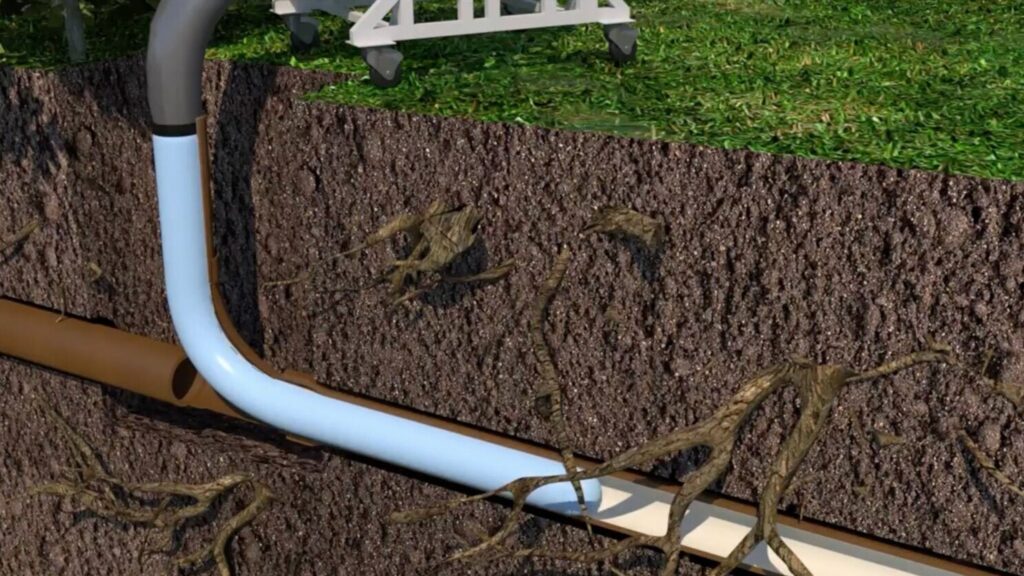
Trenchless sewer line repair isn’t a single technique, but an umbrella term for technologies that allow the fixing or replacement of pipes without digging long trenches. Two of the most widely adopted methods are pipe bursting and pipe lining. In pipe bursting, a bursting head is threaded through the existing, damaged pipe. As it moves forward, the old pipe is fractured outward, and a new, durable pipe is drawn into its place simultaneously. Pipe lining, sometimes referred to as Cured-In-Place Pipe (CIPP), employs a different approach: a flexible liner coated with a special resin is inserted into the existing pipe. Once it reaches the target area, it is inflated and allowed to cure, hardening into a resilient new inner wall that effectively creates a pipe within a pipe.
Before undertaking any repairs, most professionals utilize advanced video inspection tools. This step helps to map out the extent and specific location of the damage, ensuring that trenchless technology is the most effective solution for each case. The precision of these inspections not only reduces guesswork but also protects against unnecessary costs or incomplete repairs. As outlined by Angi’s guide to trenchless sewer replacement, this method is not only minimally invasive but also increasingly favored for its efficiency, reduced environmental disruption, and long-term reliability. By combining technology with skilled analysis, plumbers can ensure homeowners get fast results and lasting peace of mind.
Key Benefits for Homeowners
- Preservation of Property: There’s no need to worry about replanting a beloved garden or repaving your walkway. Trenchless repairs target underground issues while leaving surface features untouched or minimally disturbed.
- Fast Turnarounds: By minimizing the need for excavation, most projects are completed within a single day, enabling homeowners to return to their normal routines much more quickly.
- Long-Lasting Materials: Trenchless technology often uses high-density polyethylene or epoxy liners, engineered to withstand root intrusions and chemical corrosion for 50 years or more.
- Environmentally Friendly: These methods generate significantly less waste compared to traditional digging, and often utilize materials that are more resistant to leaks, thereby reducing the risk of environmental contamination.
Many homeowners have experienced substantial savings on restoration costs. In one instance, a homeowner who faced a major sewer leak beneath a patio was bracing for the expense of demolition and rebuilding. The trenchless method not only fixed the problem quickly but left the patio in place, highlighting the value of these modern solutions.
Potential Risks and Limitations
Despite its numerous advantages, trenchless sewer line repair is not universally applicable. In cases where pipes are completely collapsed, severely misaligned, or blocked by concrete, traditional excavation may be the only viable option. Hard-to-reach pipes or homes with ancient and fragile infrastructure might also not be ideal candidates.
Soil composition can present significant hurdles—areas with high groundwater, shifting soils, or excessive debris may limit or complicate the trenchless process. For these reasons, an in-depth video inspection and site assessment are essential steps in determining the feasibility of this repair option. Local building codes may also play a role in restricting or guiding the use of trenchless technology in specific neighborhoods or cities.
Cost Considerations and ROI
Trenchless repairs can range from $80 to $250 per linear foot, with costs varying depending on the method used, the extent of damage, and site access conditions. Although the initial cost may seem high, it often includes building materials known for their longevity, as well as significant savings realized by eliminating major groundwork and rebuilding tasks.
When weighing the investment, homeowners should consider the value of their time, the cost of restoring landscapes or hardscapes, and the potential price of disruptions to their daily life. Over time, seamless repairs that require little maintenance and prevent future issues make trenchless technology a savvy financial choice for many property owners, especially in high-value neighborhoods.
Questions to Ask Your Sewer Line Specialist
- Which trenchless methods are most appropriate for my property’s specific needs, and why?
- Can I review the video inspection of my sewer line for transparency and understanding?
- What is the projected duration of the project, including set-up and finish times?
- Are there conditions under which trenchless methods may not be successful on my property?
- Do you offer warranties on both labor and materials, and how long do they last?
By digging deeper—pun intended—into the specifics, property owners can avoid miscommunication and ensure the job is done right the first time. A reputable plumber will welcome these questions and provide detailed, honest answers.
Looking Ahead: The Future of Sewer Line Repairs
Sewer line technology is advancing rapidly, and trenchless repairs are just one facet of a broader modernization in infrastructure maintenance. This proactive mindset prioritizes solutions that strike a balance between minimal disruption, long-term reliability, and eco-conscious practices.
Trenchless methods sit firmly at this intersection, offering a cleaner, greener, and less invasive future for sewer repairs. As public awareness and technological innovation continue to grow, homeowners will enjoy even more reliable and convenient solutions for maintaining their sewer systems, protecting not only their property but also their peace of mind.




Responses