
Spaietacle Explained: The Rise of Immersive Art, Design, and Storytelling


Forget what you know about art as a one-way street. Spaietacle is flipping the script by merging space and spectacle—think art, technology, and performance fused into one living, breathing show. The word comes from “space” and “spectacle,” which fits, since at its heart, Spaietacle invites people to step inside stories rather than just watch them unfold.
This movement combines digital projections, interactive tech, music, and design into sensory-rich events where no one is just a spectator. Instead of sitting on the sidelines, you become part of the scene—moving, reacting, sometimes even shaping the outcome. With Spaietacle, creativity breaks free from traditional boundaries, inviting new forms of connection and expression that feel fresh, bold, and deeply personal.
What is Spaietacle? The Fusion of Space and Spectacle
Stepping into a Spaietacle event means stepping out of your comfort zone and into the story itself. This new genre isn’t just about big, splashy visuals—it’s about making you, the audience, an essential part of the show. By blending art, tech, and layered storytelling with spatial awareness, Spaietacle transforms every surface, sound, and shadow into part of the narrative. Let’s break down what makes Spaietacle unique, starting with where the word comes from and what it truly means.
Etymology and Definition of Spaietacle
The term Spaietacle fuses the words “space” and “spectacle.” It’s a clever mashup that tells you right away: this concept is all about blending physical (or virtual) space with a sense of wonder and showmanship. While not found in traditional dictionaries, this coined term has quickly gained traction in creative circles.
- “Spai-” nods to both spatial awareness (think architecture, design, VR, or cosmic scale) and the vastness of experience.
- “-etacle” draws from “spectacle,” highlighting performance, show, and sensory delight.
At its core, Spaietacle centers on immersive environments that unfold around, and sometimes because of, the participant. This isn’t just art you look at or a story you listen to. It’s a living experience that responds to where you stand, how you move, and even what you feel. Whether it’s through holography, augmented reality, projection mapping, or soundscapes, these events pull the viewer off the sidelines and into the heart of the action.
Key Elements: Space as Narrative Medium

What sets Spaietacle apart is how space itself becomes the medium, not just the backdrop. Every element is part of the story, carefully crafted to pull the audience deeper:
- Physical Design: Layouts lead you along story paths. Rooms, hallways, and even exits are part of the narrative structure.
- Light: Projections, colored lights, and shadows aren’t just decoration. They create moods, signal shifts in time, or guide you to interact.
- Sound: 360° soundscapes immerse you in the world—think footsteps behind you, whispers to your left, thunder above.
- Interactive Technology: Sensors and digital tools read your location and choices, altering the story in real time.
- Narrative Flow: The plot and its pacing adapt as you move, making every experience unique.
Spaietacle goes well beyond classic theater or film, where the audience’s view is fixed. Here, the story unfolds differently depending on where you stand, how you move, and which senses get activated. The room (or virtual world) itself becomes a living character, interacting with everyone inside.
How Spaietacle Transforms the Audience’s Role
This isn’t about passively sitting and watching. Spaietacle reshapes the way people interact with art and story in three core ways:
- Active Participation: You may decide which room to enter, vote on an outcome, or trigger an event using gesture, voice, or even your heart rate. The narrative path can change based on group consensus or individual action.
- Multi-Sensory Engagement: Experiences layer sight, sound, touch, and sometimes even scent to deepen immersion. Vibrating floors, scented air, or temperature shifts make it hard to forget you’re in the story.
- Audience Co-Creation: Your choices, reactions, and feedback can help create or alter the final narrative. In some events, the audience helps write the script as they go.
These elements dissolve the old wall between creator and spectator. Instead, the line blurs—audience members become characters, explorers, and even co-authors. This shift creates new forms of community as people share, compare, and sometimes compete in how the Spaietacle unfolds for them.
Spaietacle makes every visitor an essential part of the experience. Every choice counts, every step matters, and the story is never the same twice.
Historical Evolution and Cultural Roots of Spaietacle
Spaietacle didn’t appear overnight. Its DNA is stitched together from ancient rituals, community gatherings, and a long history of experimenting with space, story, and performance. Today’s immersive art owes a lot to these early practices, as well as to the ways technology and urban spaces shaped how we connect with stories in real environments. Let’s look at how centuries of ritual, design, and innovation led to the rich, interactive forms we now call Spaietacle.
Origins in Ritual and Performance Art: Early Forms of Spatial Storytelling
Long before light shows and VR headsets, people told stories not just with words, but with space, movement, and the senses. Many cultures wove together myth and environment through rituals and ceremonies that invited participation, not just observation.
- Ancient Rituals: In Greek amphitheaters, Indigenous storytelling circles, African griot performances, and Medieval pageants, audiences didn’t sit quietly in the dark. They sang, chanted, danced, and became part of the unfolding narrative. The story happened around them, sometimes even because of them.
- Community Connection: These gatherings created strong social bonds. The audience was rarely passive. From shadow plays in Southeast Asia to Hawaiian hula or Jewish Seder tables, storytelling was multi-sensory and immersive, blending song, movement, props, and space.
- Architecture as Narrative: Even early temples and gathering places used design to guide the story. Passageways, light from above, and shifting sounds created a “spatial script” that visitors felt, not just heard.
These traditions show that Spaietacle’s roots run deep. The use of performance and architecture as tools for immersive storytelling started long before digital art or modern theater. The underlying goal was the same: turn the act of storytelling into a shared, living experience.
Integration of Technology and Urban Design: Expanding Spaietacle’s Form and Impact
As cities grew and technology advanced, the ways we experienced stories and space changed dramatically. Artists and designers embraced these shifts to create new and unexpected kinds of encounters.
- Site-Specific Theater: In the 1960s and 70s, experimental theater groups began performing in abandoned factories, city streets, and forgotten corners. The space wasn’t just a backdrop, it became part of the story—a character in itself. Productions like “Sleep No More” or Punchdrunk’s site-specific works let the audience roam and choose their path, making each visit unique.
- Urban Installations: Cityscapes became canvases. Public art, light festivals, and projection mapping changed city plazas and parks into stages for shared, interactive events.
- Digital Technologies: Tools like VR, AR, and interactive sensors upped the ante. Now, artists could blend real and virtual spaces, creating “cultural metaverses” that offer new depths of engagement and let anyone, anywhere, step inside the story.
- Hybrid Experiences: Museums, festivals, and pop-ups draw from all these roots. They use digital projections, soundscapes, and physical design together, echoing both ancient communal rituals and modern tech marvels.
These advances didn’t erase tradition—they built on it. Urban design and technology made it possible to craft experiences that shift between the physical and the virtual, the ancient and the new. In every era, the goal stayed the same: use space, story, and the senses to invite people to step out of their lives and into something vivid and memorable.
Urban visionaries, artists, and even tech enthusiasts continue to push Spaietacle further. What started as ritual and performance, now blooms in city squares, on digital platforms, and inside immersive museums—proving that both old and new worlds have a place in shaping how we experience the spectacular.
Core Technologies and Innovative Methods in Spaietacle
Spaietacle wouldn’t exist without the inspired use of both new and traditional storytelling tools. These events live at the crossroads of physical space, digital illusion, and emotional response. Artists, technologists, and producers are now using everything from projection mapping to AI-powered feedback systems to craft worlds you actually step inside. Let’s break down the tech and methods that make Spaietacle unforgettable.
AR, VR, and Projection Mapping: The Engines of Immersion
Augmented reality (AR), virtual reality (VR), and projection mapping are now core to the Spaietacle experience. Here’s how each technology takes storytelling off the screen and into the room:
- Augmented Reality (AR): AR overlays digital visuals or data onto the real world using smartphones, AR glasses, or even projectors. In Spaietacle, performers can “summon” digital creatures or create shifting landscapes that respond to where you walk or stand. Example: Theater productions that let animated characters interact live with actors and audience.
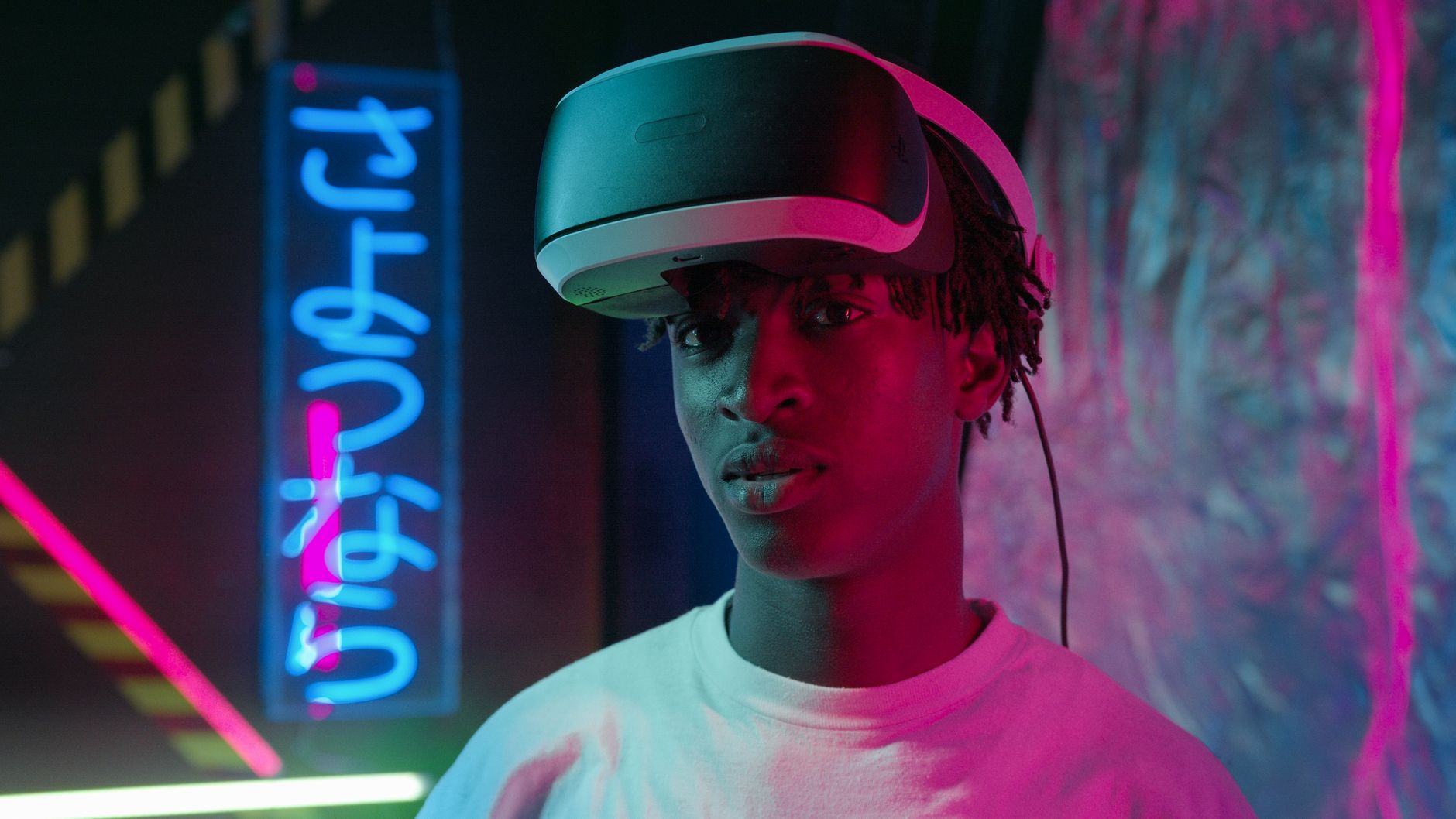
- Virtual Reality (VR): VR puts you inside entirely digital worlds, often using lightweight, wireless headsets. This means you can freely roam recreated cities, explore new planets, or even influence ancient legends by your choices and movement. Events like “Horizon of Khufu” transport guests into ancient Egypt—a museum trip elevated to a living time machine.
- Projection Mapping: This method turns ceilings, floors, and walls into dynamic canvases. Rooms shift shape, patterns ripple across the floor, and the story feels as if it grows all around you. Projection mapping is used from immersive Van Gogh experiences to festival installations, making each visit one-of-a-kind.

Takeaway: These tools remove the traditional “stage,” turning every corner, surface, and participant into an active part of the story. Your next art show might feel closer to entering a waking dream.
AI, Biometrics, and Responsive Storytelling: Personalizing the Experience
AI and responsive technologies have taken Spaietacle from group spectacle to deeply personal adventure. Here’s how:
- Artificial Intelligence: AI powers adaptive scenes and characters, learning from visitor behavior in real time. For example, a virtual guide might change their advice depending on what grabs your attention or how fast you move through a space.
- Biometric Sensors: Tools that sense heart rate, facial expression, or even skin temperature help stories adapt to your mood. If the environment senses your excitement or nervousness, it might change lighting, tempo, or even soundtrack to guide your feelings.
- Feedback Loops: Interactive touchpoints, voice commands, and gesture recognition turn you from a spectator into a story co-creator. Imagine an installation where your physical choices decide whether a digital forest flourishes or withers. These systems make every visit unique.
Highlights of innovation:
- Motion-activated projections responding to where you look and walk.
- Generative environments that change based on crowds or even global data.
- Adaptive music and visuals guided by group reactions and emotional cues.
Bottom line: Instead of a “one-size-fits-all” plot, AI and biometrics make the show care about you. Spaietacle learns, adapts, and sometimes even feels back.
From Low-Tech Rituals to High-Tech Interactives: Analog vs. Digital Magic
Spaietacle merges age-old ritual with digital wizardry. The journey from analog to digital isn’t about replacing the old but layering new meaning on top.
Analog methods still alive in Spaietacle:
- Guided walks using candlelight or lanterns to lead a group through a story.
- Ambient sound like wind chimes, heartbeats, or footsteps played in perfect sync with your path.
- Physical props and costumes you can touch, wear, or move to shape the scene.
Digital interactives add another layer:
- Sensors track your journey, transforming set pieces in real time.
- Digital displays and projection react to group decisions—vote as a team and the outcome appears around you.
- Room-wide sound experiences that follow your position, using spatial audio and data-driven cues.
Why does this matter? Combining both worlds brings a natural, human warmth to tech-driven spaces. Candlelight or a gentle voice can guide you just as powerfully as a spinning projection or an AI avatar. The result: Spaietacle feels alive, intuitive, and human, blending tradition with tomorrow.
Whether it’s the gentle glow of lanterns or the quick adaptation of digital AI, Spaietacle bridges the gap between past and future, letting every participant write a small part of the story.



Responses