
Signs Your Home’s Heating System Needs Professional Attention (And What to Do)

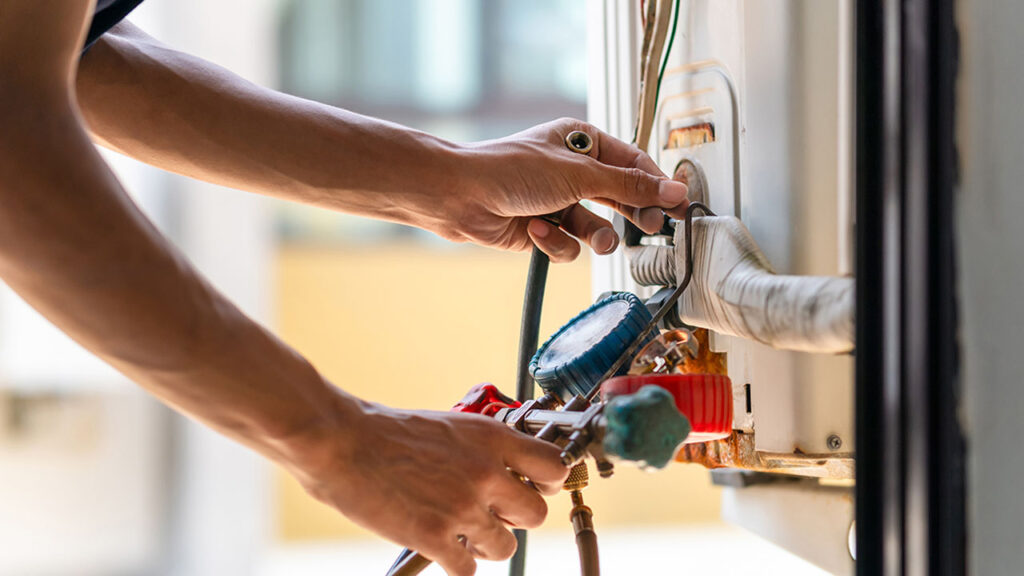
Why Acting Early Matters for Home Heating Systems
Heating systems are both powerful and prone to wear, especially during seasons of heavy use. Ignoring minor symptoms won’t make them disappear; in fact, they’re more likely to snowball into significant problems that could leave you without heat on the coldest night of the year. For example, a faint, rhythmic knocking noise may not sound urgent now, but it often signals a loose or failing part. If left unchecked, that minor issue can morph into a full system breakdown, requiring costly replacement components or, sometimes, the installation of a completely new unit.
There’s a direct link between regular heating maintenance and overall system longevity. Routine maintenance can reduce the risk of unexpected breakdowns by as much as 95% and increase efficiency by up to 15%. Proactive care truly pays off. It’s also sensible, especially in unpredictable weather, to have trusted help on hand for bigger issues. Many residents seek out furnace service Katy TX to ensure their heating systems are operating smoothly before severe weather arrives, so unexpected downtime doesn’t become a stressful reality.
Common Warning Signs Your Heater Needs Attention
Heating systems send clear signals when something is wrong, but they can be easily overlooked. An unfamiliar or loud sound from the unit can indicate mechanical issues like worn belts, failing ignition, or airflow blockages. A persistent burning or rotten egg odor could indicate a gas leak. Draftiness despite the heater running may be due to poor airflow, leaky ducts, or a failing thermostat. Inconsistencies around the home may indicate airflow restrictions, such as clogged filters or a blower malfunction. Short-cycling or frequent start-ups can wear out the unit faster, and unexplained high energy bills may indicate hidden faults or dirty components. The longer you ignore these symptoms, the worse the problem becomes.
Basic Troubleshooting Steps Homeowners Can Safely Try
Homeowners can resolve various heating issues by performing simple maintenance tasks. First, swapping out the air filter is a simple fix that can improve airflow and reduce labor. Depending on seasonal demand and household allergies, filters should be changed regularly. Checking air vents and registers can also help clear obstructions and solve uneven heating without complex repairs. Additionally, a simple battery swap or checking the temperature setting can resolve thermostat issues. According to the Department of Energy, do-it-yourself checks can help solve many heating problems.
When It’s Time to Call a Professional
Homeowners should be cautious when repairing heating systems, as some issues require expert attention for safety and system health. Persistent odd odors, loud metallic screeches, electrical sparking sounds, or unit malfunctions are not to be dismissed. These warning signs can indicate issues like cracked heat exchangers, failing ignition systems, or electrical faults requiring a qualified technician. Modern heating systems have complex safety features, so internal electronic sensors, control boards, and gas valves should be inspected by certified technicians. Annual professional maintenance may be required if your heater is under warranty or less than ten years old. Comprehensive diagnostics can reveal inefficiencies and hazards, making regular checkups a wise investment.
The Benefits of Preventive Heating Maintenance
Regular maintenance is crucial for the longevity and comfort of your heating system. A yearly tune-up includes cleaning burners, heat exchangers, lubricating moving parts, tightening electrical connections, and inspecting vent systems. This routine prevents deep-rooted issues and ensures all manufacturer safety controls function correctly. Neglecting heaters can lead to up to eight years of added lifespan and hundreds of dollars in annual savings. Component lubrication keeps motors and fans running smoothly, while burner and heat exchanger cleaning prevent carbon buildup and fire hazards. Safety control checks ensure safe system shutdowns, while thermostat calibration ensures correct system response, maximizing comfort and energy savings.
Safety First: Avoiding Hazards With Heating Equipment
Heating issues can be dangerous, such as gas-powered systems with cracked heat exchangers releasing carbon monoxide, which causes hundreds of accidental deaths annually in the US. Headaches, dizziness, and fatigue should not be ignored. Call emergency services immediately if you notice a sulfur or rotten egg smell. Fix gas or combustion-related problems only by a licensed HVAC professional, as the risks of explosion or toxic gas exposure are too high. Homeowners with combustion heating should have annual safety checks and carbon monoxide detectors installed in critical locations, especially bedrooms and common areas.
Proactive Steps Every Homeowner Should Take
To ensure a reliable heating system, homeowners should schedule annual inspections, change air filters, test their thermostats, record system repairs, and install smoke and carbon monoxide detectors. If any issues arise, such as noise, inconsistent warmth, or higher bills, don’t hesitate to seek help. Reliable home heating results from diligent maintenance, professional service, and early warning signs. These steps allow homeowners to stay cozy all season, avoid last-minute emergencies, and enjoy peace of mind during even the coldest spells.


Responses