
How Smart Home Technology is Changing Daily Living

Key Takeaways
- Smart home devices automate routine tasks, providing convenience, improved quality of life, and increased efficiency.
- Enhanced security features offer real-time monitoring, advanced alerts, and greater control over home safety.
- Energy-efficient technologies play a critical role in sustainability and long-term cost savings.
- Health-focused smart devices integrate seamlessly into daily life, promoting a holistic approach to wellness and personal health management.
Table of Contents
- Introduction
- Enhancing Convenience with Automation
- Improving Home Security
- Energy Efficiency and Cost Savings
- Health and Wellness Integration
- Voice-Controlled Assistants
- Future Trends in Smart Home Technology
Introduction
Smart home technology is fundamentally reshaping modern life, combining the power of digital innovation with everyday comfort. No longer a futuristic fantasy, this technology has become a practical part of daily living, streamlining everything from adjusting climate controls and automating lighting to providing advanced safety monitoring. A desire for greater convenience, energy conservation, and home security drives the shift toward smart homes. Homeowners are embracing devices like intelligent thermostats, automated appliances, and security systems not only for peace of mind and sustainability but also to enhance the quality of their leisure and relaxation time.
The impact of this technology extends beyond residential life. Increasingly, smart home innovations are being adopted in commercial and industrial environments as well, demonstrating remarkable versatility in optimizing operations. For example, Maryland industries have implemented reverse osmosis water systems for Maryland industries that utilize smart controls to streamline industrial water usage. This overlap between residential automation and industrial smart systems underlines the broad relevance of these technologies, whether simplifying daily household chores, supporting sustainable business operations, or protecting critical infrastructure. With each new application, smart home technology leads to more efficient, secure, and adaptable environments.
Enhancing Convenience with Automation
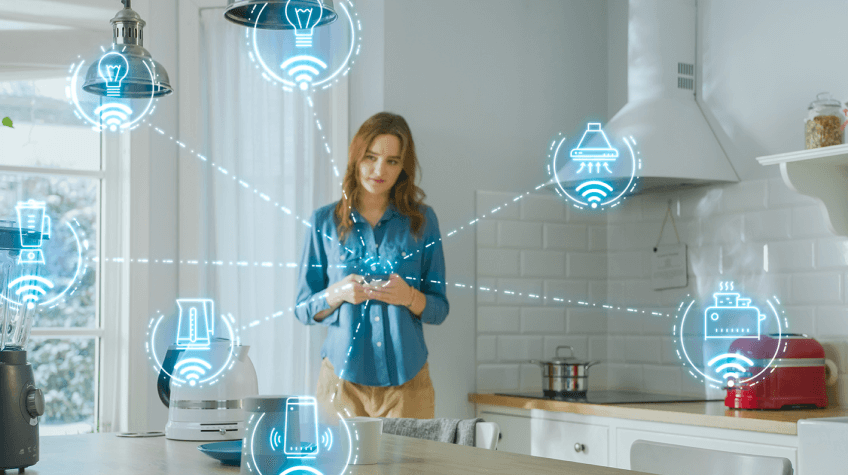
Central to the appeal of smart home technology is its capacity to deliver unparalleled convenience. Intelligent devices like smart thermostats, automated lights, and occupancy sensors work harmoniously to create responsive living spaces. They dispense with manual adjustments—detecting when rooms are occupied or when daylight can provide natural illumination—automatically switching off lights in empty rooms, and fine-tuning indoor temperatures based on user patterns. With machine learning capabilities, many systems can anticipate preferences over time, optimizing comfort and slashing unnecessary utility expenses.
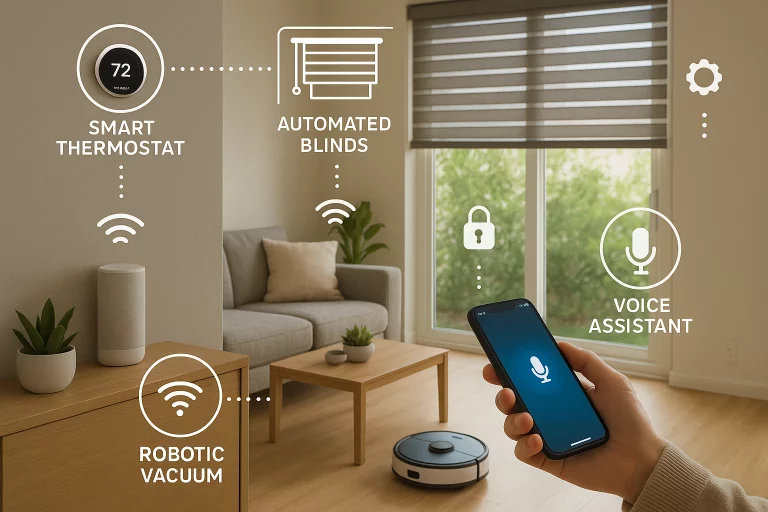
Beyond basic lighting and climate control, automation has entered nearly every home room. The kitchen is now populated by smart coffee makers, programmable ovens, and even refrigerators that monitor groceries and suggest recipes. Smart blinds automatically adjust for optimal lighting or privacy, responding to the time of day or weather. Robotic vacuum cleaners sweep, map out living spaces, and easily navigate obstacles. This suite of time-saving devices allows residents to focus on what matters most—family, work, or relaxation—with less manual effort. By reducing repetitive tasks, automation brings comfort within reach for busy households and those with mobility challenges alike.
Improving Home Security
Smart Security Systems
Security has always been a major concern for homeowners, and the rise of smart technology has made keeping homes safe easier and more thorough than ever. Smart security systems include a powerful array of video doorbells, motion-activated cameras, glass break detectors, and sensors for windows and doors. These devices are interconnected, sending instant alerts and live video feeds directly to smartphones, so homeowners receive real-time information, whether they are at work, on vacation, or simply relaxing in another room. Some systems offer professional monitoring services, ensuring that emergencies result in rapid, coordinated responses.
Keyless smart locks provide flexibility by allowing homeowners to create temporary access codes for guests, family members, or maintenance personnel, eliminating the risks associated with lost keys. Integration with high-resolution cameras enables facial recognition, enhancing security by notifying residents when unfamiliar faces approach while avoiding unnecessary alerts for familiar family members or pets. AI-powered analytics have become a cornerstone of modern systems by accurately distinguishing actual threats from routine movement, reducing the nuisance and stress brought by false alarms. Importantly, remote two-way audio features allow homeowners to communicate with visitors before opening the door, bolstering both convenience and personal security.
For those seeking additional resource guides on next-generation smart security, a comprehensive overview of the latest developments can be found in the Top 10 Smart Home Security Trends in 2024.
Energy Efficiency and Cost Savings
Optimizing Resource Use
One of the strongest motivators for adopting smart home technology is the drive for greater energy efficiency. Devices such as programmable smart plugs, sophisticated energy monitoring hubs, and dynamic power strips work by identifying energy “vampires” and giving users the data and control they need to reduce wasteful consumption. LED-based smart lighting systems, for instance, use a fraction of the energy consumed by conventional bulbs and can automatically dim or switch off based on occupancy or natural light availability, making it easier to maintain an eco-friendly household.
Smart thermostats represent a significant leap in heating and cooling efficiency—they learn daily routines and automatically adjust temperatures for optimal savings without sacrificing comfort. Alerts for equipment maintenance and unusual usage patterns help catch issues before they become costly problems. Larger properties and industrial facilities are implementing advanced water and filtration systems, which use digital sensors and programmable logic to monitor consumption, reduce waste, and protect water resources in an environmentally responsible manner.
As energy prices rise and sustainability becomes an ever-greater priority, these smart technologies offer a practical path to substantial monthly savings and demonstrate actionable steps toward shrinking environmental footprints. The aggregate effect is powerful: millions of homes making incremental savings that contribute to a larger global effort in energy conservation.
Health and Wellness Integration
Smart Wellness Solutions
Smart technology is no longer just about convenience and safety; it is now an active partner in health and wellness. Modern homes feature air quality monitors that track pollution, humidity, and allergens, alerting inhabitants to open a window or activate an air purifier. Smart air purification devices not only filter out harmful particulates but also operate intelligently based on real-time environmental data, leading to healthier indoor air.
Health-focused tech extends to personal wellness tracking. Smart mattresses collect sleep data and adjust firmness for better rest. At the same time, connected scales and wearable fitness devices track steps, calories, and vital signs, syncing this information to central dashboards where users can monitor trends. The kitchen, as the center of family nutrition, benefits from smart appliances that help users manage inventories, minimize food waste, and select healthier meal options based on personal dietary goals. Together with environmental monitors, these wellness-integrated solutions create a home environment that actively supports physical and emotional well-being for all residents.
Voice-Controlled Assistants
Hands-Free Living
Perhaps the most transformative feature of the smart home is the hands-free control enabled by voice assistants. Leading platforms such as Amazon Alexa, Google Home, and Apple HomePod allow users to manage virtually every smart device with simple spoken commands. Tasks range from dimming lights, adjusting window shades, and controlling entertainment systems to reordering groceries and setting daily reminders. The accessibility benefits are substantial, particularly for those with mobility impairments or vision disabilities, providing an unprecedented level of independence.
The scope of these assistants is continuously broadening. Through ongoing software updates and integrations with third-party apps, voice assistants are evolving into comprehensive home management systems, handling day-to-day routines and serving as entertainment hubs, maintenance trackers, and security coordinators. As artificial intelligence advances, these assistants are expected to become increasingly proactive, making suggestions and executing tasks automatically, reflecting a deeper understanding of household habits and preferences.
Future Trends in Smart Home Technology
Greater Intelligence and Enhanced Privacy
The future of smart home technology is driven by advancing artificial intelligence and a growing demand for tighter privacy protections. Next-generation homes will soon feature systems capable of predicting residents’ needs—preparing living spaces for arrivals, customizing lighting and entertainment, and even detecting potential maintenance issues before they escalate. As devices become smarter, their ability to communicate and coordinate with each other will foster environments that are not only more responsive but also intuitively supportive.
With growing interconnectivity, however, comes heightened concern about privacy and data security. Smart home manufacturers are responding by developing robust protocols for encrypting personal data and enabling users to control exactly what information is shared—and with whom. Homeowners will gain peace of mind from transparent security practices, making it easier to enjoy the convenience and safety that smart technology brings.




Responses